
Summary:
Immediate Safety Assessment After Storm Damage
Your first priority isn’t the mess—it’s making sure everyone stays safe. Before you even step outside, scan your property from inside your home. Look for obvious hazards like trees touching power lines, large branches hanging precariously, or trees leaning toward your house.
If you see downed power lines anywhere near tree debris, stay inside and call your utility company immediately. Even if lines appear dead, they can still be energized and deadly. Never assume it’s safe to approach.
Check for structural damage to your home, garage, or other buildings. If a tree has made contact with your roof or walls, document it with photos but don’t attempt to move anything yourself.
When to Call Emergency Tree Services Immediately
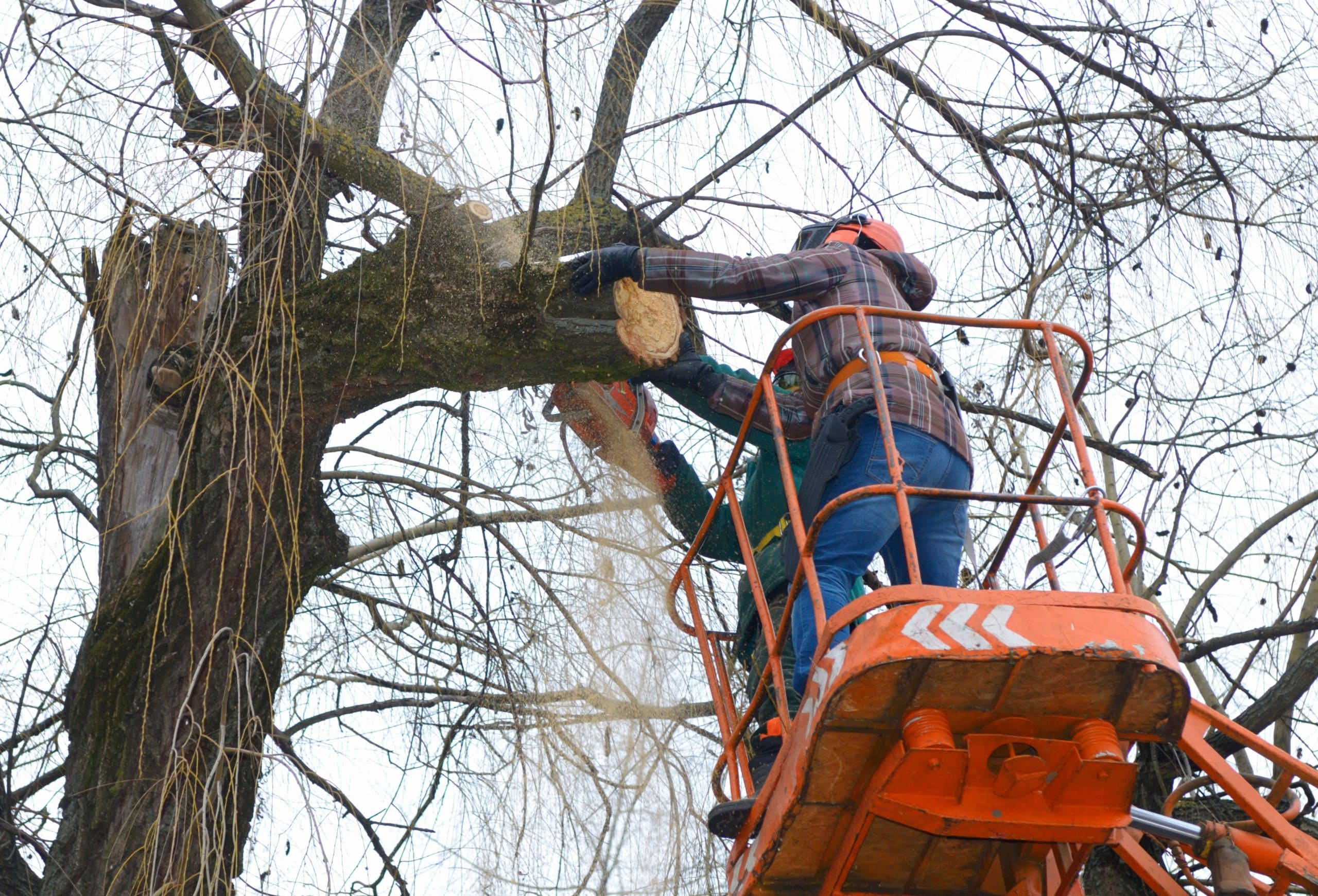
Some situations can’t wait until morning. You need professional emergency tree service right now if trees are blocking critical access points like driveways or walkways, especially if emergency vehicles might need access to your property. Trees leaning more than 15 degrees toward structures pose imminent collapse risks, particularly when root systems show visible lifting or soil displacement.
Split trunks with widening cracks indicate structural failure that worsens with each weather event, and these can fail without warning during calm conditions when stress redistribution causes final collapse. If branches are hanging over power lines, this creates electrocution hazards and potential neighborhood-wide outages that require immediate storm damage tree removal.
Don’t try to handle these situations yourself. Professional emergency tree services have the equipment and expertise to stabilize dangerous trees safely. In Suffolk County, NY, where coastal storms can be particularly severe, we understand these risks and can respond quickly to prevent further damage to your property.
The key is recognizing that storm-damaged trees often look more stable than they actually are. What appears to be a minor lean or crack can represent major structural compromise that could result in complete tree failure at any moment. This is exactly why Suffolk County has experienced seven presidentially declared disasters in recent years—our coastal location makes us vulnerable to severe weather that can turn healthy trees into immediate hazards overnight.
Documenting Damage for Insurance Claims
Before you touch anything, grab your camera or phone and start documenting. Insurance companies need clear evidence of what happened, and the more thorough your documentation, the smoother your claims process will be. Take wide shots showing the overall damage, then close-ups of specific problems.
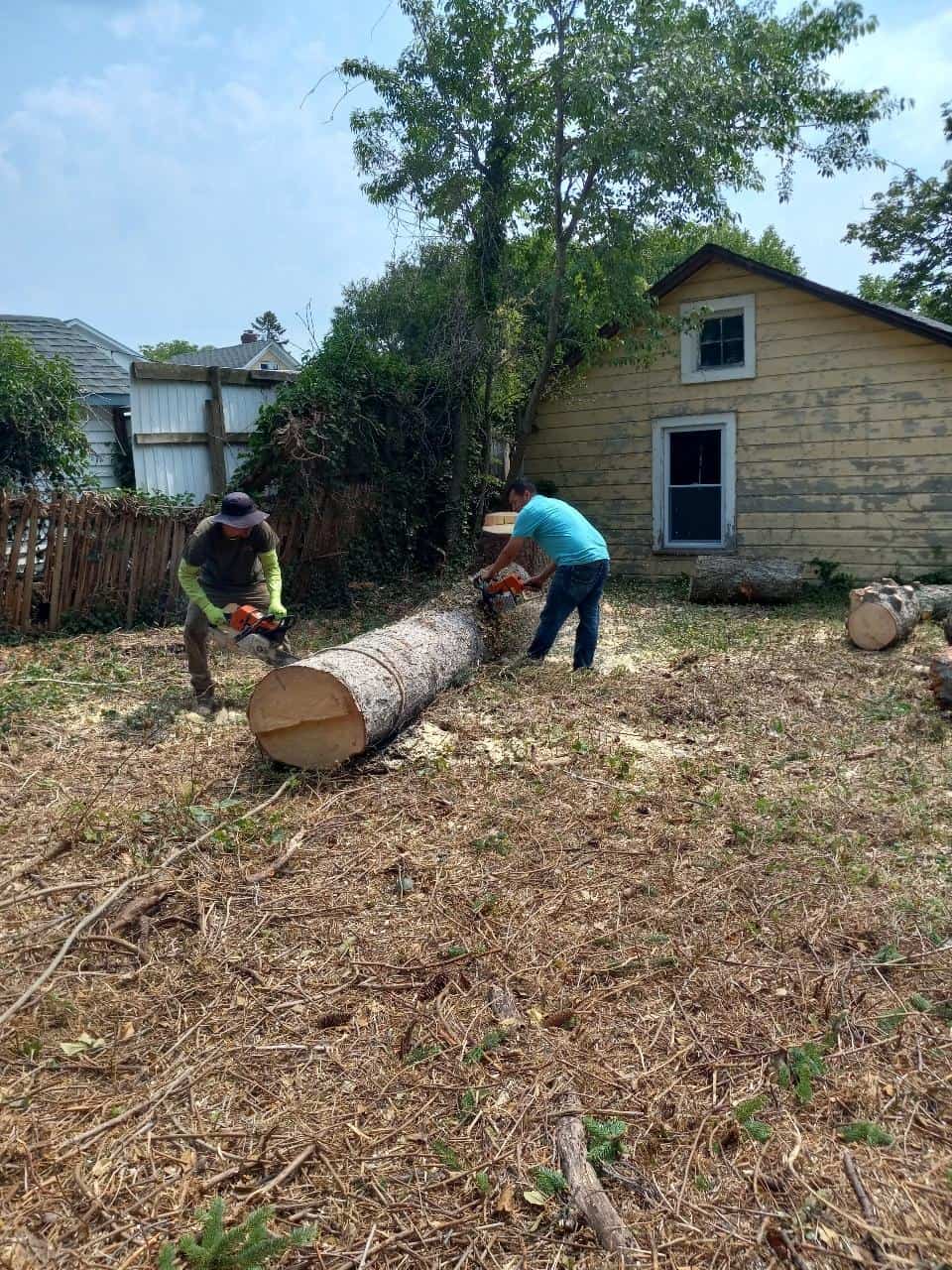
Photograph the tree from multiple angles, showing its relationship to your home and other structures. If the tree damaged your roof, siding, fence, or other property, document everything. Don’t forget to photograph any debris scattered around your yard—this can be part of your covered cleanup costs.
Write down the date, time, and weather conditions when you’re taking photos. If you know what type of tree it is and approximately how old or large it was, include that information. Insurance adjusters use this information to determine coverage and compensation amounts.
Keep receipts for any immediate expenses like temporary repairs or emergency tree services. Many homeowners insurance policies cover emergency tree removal when trees damage covered structures, but you’ll need proper documentation to support your claim. We can also assist with documentation, providing detailed reports that insurance companies recognize and accept. This documentation becomes especially important in Suffolk County, NY, where storm damage claims are unfortunately common due to our coastal weather patterns.
Understanding Insurance Coverage for Tree Damage
Here’s what most homeowners don’t realize: insurance coverage for tree removal depends entirely on what the tree hit when it fell. If a storm knocked a tree onto your house, garage, fence, or other covered structure, your homeowners insurance will typically pay for both the structural repairs and tree removal.
But if the tree fell in your yard without damaging anything, you’re probably paying for tree cutting and removal out of your own pocket. The exception is when fallen trees block critical access points like driveways or wheelchair ramps—insurance may cover removal even without structural damage.
Understanding your deductible is crucial for making smart financial decisions. If your deductible is $1,000 and tree removal costs $800, filing a claim doesn’t make financial sense and could still count against your claims history.
Working With Insurance Adjusters
When you file a claim, the insurance adjuster will want to see everything. Be prepared to walk them through exactly what happened, using your photos and documentation. They’ll assess both the tree damage and any property damage to determine coverage.
We often work directly with insurance adjusters and understand exactly what documentation they need. When you hire us for storm damage cleanup, we can provide detailed estimates, removal plans, and damage assessments that insurance companies recognize and accept.
Don’t be surprised if the adjuster asks questions about the tree’s condition before the storm. Insurance companies won’t cover removal of trees that were already dead, diseased, or hazardous before the storm hit. This is why preventive tree maintenance matters—it protects both your property and your insurance coverage.
Be honest about the tree’s pre-storm condition. If the adjuster discovers that a tree was already compromised, it could affect your entire claim. However, healthy trees damaged by covered perils like wind, lightning, or hail are typically covered for both removal and any resulting property damage. In Suffolk County, NY, where nor’easters and coastal storms are regular occurrences, insurance adjusters are familiar with legitimate storm damage versus pre-existing tree problems.
What Insurance Won't Cover
Insurance companies have specific exclusions that catch many homeowners off guard. Flood damage requires separate flood insurance, so if flooding caused the tree to fall, your standard homeowners policy won’t help. The same applies to earthquake damage.
Trees that fell due to age, rot, or disease are considered maintenance issues, not covered events. If an insurance company determines that you should have removed a hazardous tree before the storm, they may deny coverage entirely. This is why regular tree trimming and professional assessments matter for Suffolk County, NY homeowners.
Preventive tree removal is never covered, even for trees that look dangerous after a storm. If a tree is leaning but hasn’t fallen or caused damage, you’ll pay for removal yourself. However, the cost of preventive removal—typically ranging from $500 to $3,000 depending on size and complexity—is often much less than dealing with the aftermath of a tree that falls and causes property damage.
Landscaping restoration typically isn’t covered unless the damage was caused by a covered structure being damaged first. So if a tree falls and damages your garden but doesn’t hit your house, the landscaping repairs are usually your responsibility. Understanding these limitations helps Suffolk County homeowners make informed decisions about when to file claims and when to handle tree care services privately.
Choosing Professional Tree Services for Storm Cleanup
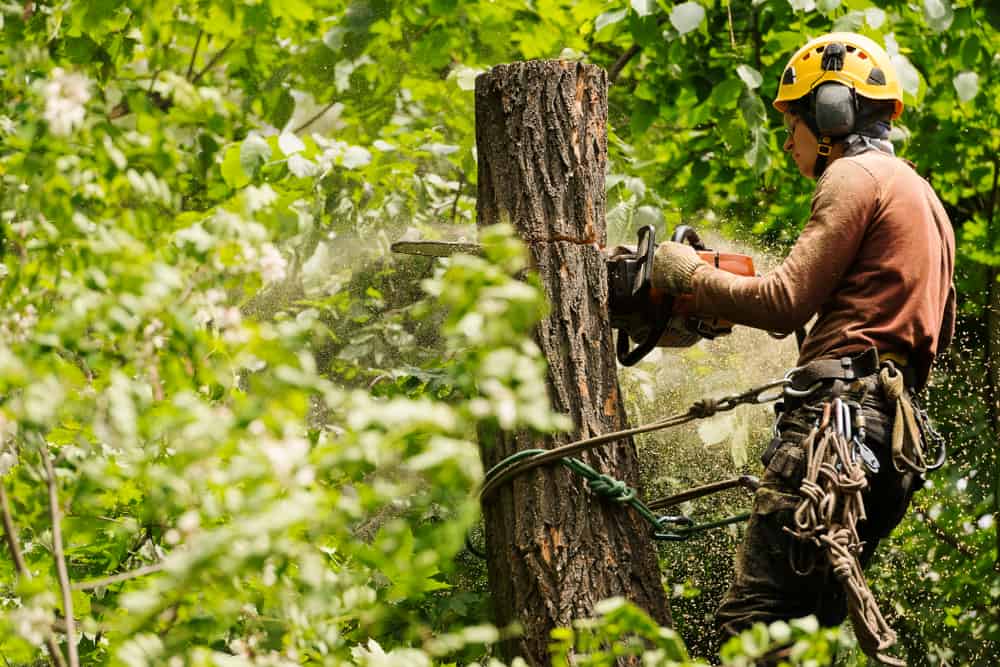
When storms hit Suffolk County, NY, not all tree services are equipped to handle the aftermath safely and professionally. Look for companies with proper licensing, comprehensive insurance, and experience with emergency situations. We understand local regulations, have the right equipment for safe tree removal, and can provide the documentation your insurance company needs.
We assess the entire situation, not just remove the obvious damage. We’ll identify other trees that may have been compromised by the storm and recommend preventive tree trimming to protect your property from future damage. This comprehensive approach saves money and prevents future emergencies.
Don’t wait until the next storm to test your trees’ resilience. Contact Miguel’s Tree Service to assess your property’s current condition and develop a maintenance plan that protects your Suffolk County investment year-round.