Summary:
Why Your Suffolk County Location Determines Tree Service Needs
Suffolk County isn’t one uniform landscape. Trees on your Nesconset property face completely different conditions than those in Bay Shore, and that difference matters when it comes to maintenance needs and emergency risks.
Coastal neighborhoods deal with salt air that gradually weakens tree structure. Inland areas see heavier soil that affects drainage and root stability. Storm patterns hit some communities harder than others based on wind exposure and tree density.
The trees themselves vary by location. Older neighborhoods feature mature specimens requiring different care than newer developments with younger plantings. Understanding these location-based differences helps you stay ahead of problems instead of constantly reacting to emergencies.
Bay Shore and Sayville: How Coastal Conditions Demand Regular Tree Care
Bay Shore and Sayville, NY sit close enough to the water that salt becomes a real factor in tree health. It’s not dramatic—you won’t see trees dying overnight—but salt air penetrates inland for miles, gradually affecting tree structure in ways most homeowners don’t recognize until serious problems develop.
Salt exposure weakens cellular structure over time. Your trees become more susceptible to disease and storm damage because their natural defenses get compromised. You might notice branches dying back on one side, or overall vigor declining compared to trees just a few miles inland. This is when tree trimming services become essential for removing compromised wood before it fails.
These coastal areas also catch the brunt of Suffolk County storms. Nor’easters and summer thunderstorms roll in off the water with sustained winds that test even healthy trees. When you combine salt-weakened structure with storm exposure, you’re looking at significantly higher risk for tree failures during weather events that could damage your home or vehicles.
We focus on removing dead wood that creates hazards, thinning canopies to reduce wind resistance, and monitoring for salt-related decline in Bay Shore and Sayville, NY. Regular assessment catches problems while they’re still manageable instead of waiting for a storm to reveal weaknesses that lead to expensive emergency tree removal.
The sandy soil common near the coast drains quickly, which sounds beneficial until you realize it also means less water retention during dry spells. Trees stressed by drought become vulnerable to pests and disease. Proper tree care includes monitoring soil conditions and addressing stress factors before they compound into major issues.
Properties in these coastal neighborhoods benefit from tree services that understand how salt air, storm exposure, and soil conditions combine to create unique challenges. It’s not just about cutting branches—it’s about recognizing how your location affects tree health and adjusting maintenance accordingly. Regular tree trimming and inspection here aren’t optional if you want trees that survive Long Island’s weather patterns year after year.
Farmingville, Holbrook, and Middle Island: Managing Mature Trees in Dense Suburbs
Move inland to Farmingville, Holbrook, and Middle Island, and the tree care challenges shift dramatically. You’re dealing with denser suburban development where trees compete for space, heavier soil that affects drainage, and neighborhoods where mature trees are reaching ages that demand professional attention before they become hazards.
Dense suburban growth means your trees often grow too close to structures, driveways, and utility lines. What looked fine when trees were planted 30 years ago becomes a serious problem when they reach full size. Branches overhang roofs creating moisture and debris issues, roots push up sidewalks and driveways, and canopies block light from gardens and neighboring properties.
The soil inland tends toward heavier clay in many areas, which holds moisture but can also lead to drainage problems. During wet periods, saturated soil reduces root anchoring strength significantly. When storms hit with high winds, trees with compromised root systems in waterlogged soil fail more easily than those in better-draining conditions. This is when emergency tree removal becomes necessary to protect your property.
These neighborhoods feature many mature trees—oaks, maples, and other species that are 40, 50, even 60 years old. Age brings beauty and shade but also increased maintenance requirements. Older trees develop structural issues, dead wood accumulates in upper canopies, and disease becomes more common. Regular tree service inspection and maintenance become essential for safety as trees age.
Storm damage in Farmingville, Holbrook, and Middle Island often involves large trees falling on homes or across driveways. The combination of mature size, dense planting, and proximity to structures means failures cause significant property damage. Preventive tree care—removing hazardous trees, reducing weight in aging canopies through proper pruning, and addressing structural problems early—prevents many emergency situations that would otherwise cost thousands in damage.
We focus on managing mature trees in tight suburban spaces in these inland communities. This means careful tree trimming to maintain clearance from structures, removing trees that have outgrown their locations safely, and monitoring older specimens for signs of decline. It’s about balancing the benefits of mature trees with the realities of suburban density and aging tree populations that require ongoing attention.
Storm-Prone Suffolk County Areas That Need Preventive Tree Services
Some Suffolk County neighborhoods get hit harder during storms simply because of geography, tree density, and property layout. Understanding these storm patterns helps you prepare proactively instead of just reacting to damage after the fact.
North-facing properties catch more winter weather and ice accumulation. Communities with older tree canopies experience more failures during high winds. Areas with poor drainage see more uprooting when saturated soil can’t anchor root systems during storms.
Storm preparedness isn’t just about emergency tree removal response—it’s about regular tree trimming and maintenance that reduces risk before weather strikes. That means different preventive strategies depending on where you live and what weather patterns your property typically faces.
Nesconset Tree Services: Protecting Properties with Mature Canopies
Nesconset features some of Suffolk County’s most established neighborhoods, with mature tree canopies that provide beauty and shade but also demand professional tree services to maintain safety. These areas showcase what happens when trees planted decades ago reach full maturity in suburban settings where they’re now close to homes and power lines.
The tree canopy in Nesconset is substantial. Large oaks, maples, and other hardwoods tower over homes, creating that classic suburban aesthetic. But mature trees also mean aging trees, and age brings maintenance requirements that you can’t ignore without accepting significant risk to your property and family.
Storm damage in Nesconset often involves large limbs or entire trees coming down during high winds. Mature trees develop heavy horizontal branches that can fail under stress. Dead wood accumulates in upper canopies where it’s not visible from the ground but becomes a serious hazard during storms that send branches crashing onto roofs and vehicles.
Professional tree service assessment becomes crucial in neighborhoods like Nesconset. What looks healthy from your driveway might show clear signs of decay, structural problems, or disease when examined by an arborist who knows what to look for. Early detection of problems allows for corrective action—strategic tree trimming, cabling weak branches, or tree removal before they fail catastrophically.
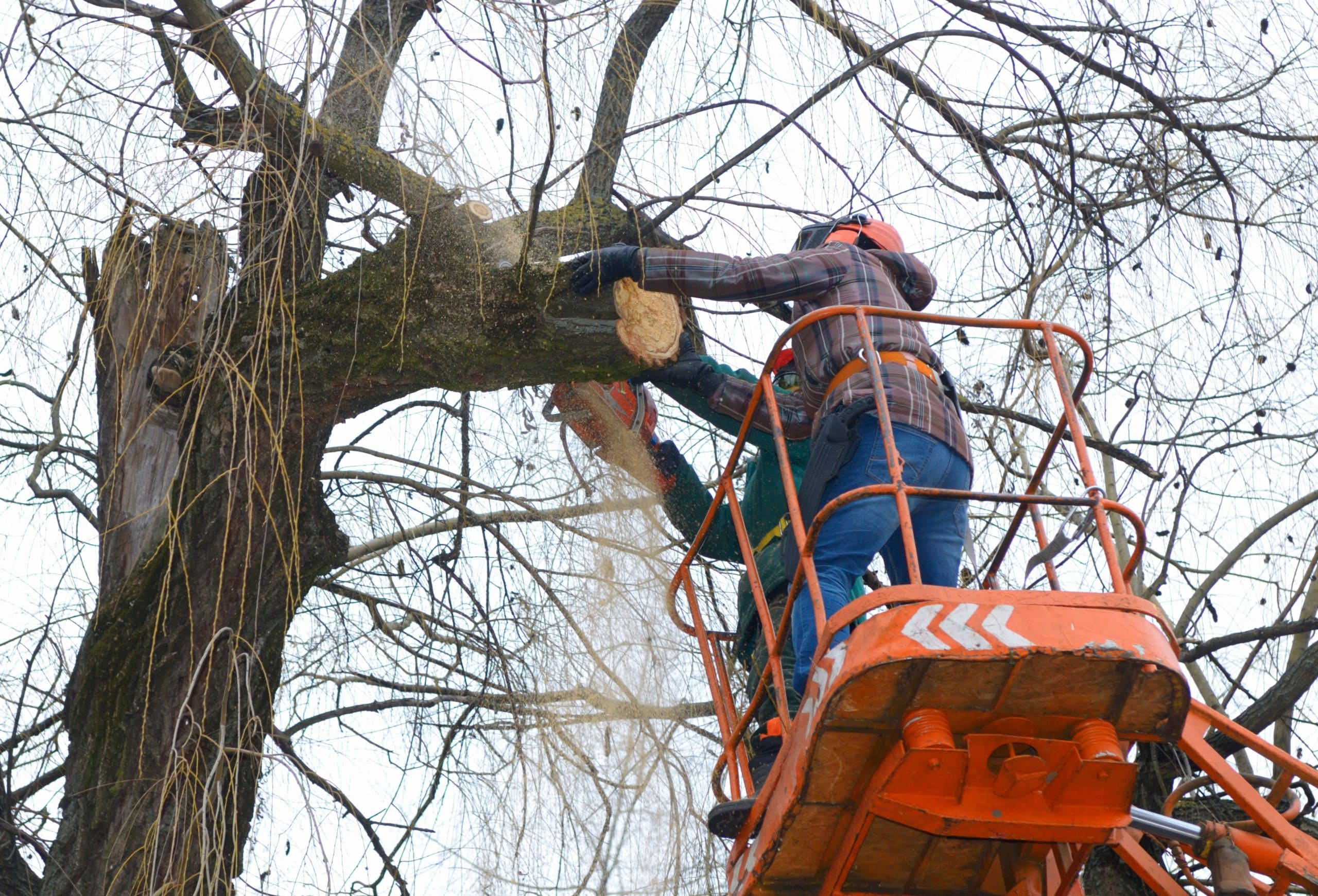
The proximity of mature trees to homes and power lines creates additional concerns that demand regular attention. A 70-foot oak falling during a storm doesn’t just make a mess—it can cause tens of thousands in damage to structures, vehicles, and utilities. Regular tree services that include crown reduction, dead wood removal, and structural support systems reduce these risks significantly.
These neighborhoods also deal with the reality that some trees simply need to come down. When a mature tree shows significant decay, has major structural problems, or poses clear hazards to your home, tree removal becomes the responsible choice. We help you make these decisions based on actual risk assessment rather than guesswork or hoping the tree will be fine for another season.
The value in regular tree care for Nesconset properties goes beyond aesthetics. It’s about protecting significant investments—both your home and the mature landscape that adds substantial value to your property. Our professional tree services understand mature tree management and we become essential partners in maintaining these established neighborhoods safely.
St. James and North Bellport: Emergency Tree Services for Storm-Exposed Properties
St. James and North Bellport face a unique combination of factors that make emergency tree services particularly important. These areas deal with significant storm exposure, varied tree ages, and the kind of weather events that can turn healthy trees into immediate hazards within hours, leaving you scrambling for emergency tree removal.
Summer thunderstorms rolling through St. James and North Bellport can bring winds exceeding 60 mph in short bursts. These aren’t the sustained winds of nor’easters—they’re sudden gusts that catch trees off guard. Branches that were fine yesterday become widow-makers hanging over your roof. Trees that looked stable suddenly lean at dangerous angles toward your home.
The variety of tree species and ages in these neighborhoods means storm damage affects properties differently. Older trees with declining health fail more easily during high winds. Certain species handle wind better than others. Trees that haven’t received regular tree trimming services have accumulated dead wood that becomes airborne during storms, threatening windows, roofs, and vehicles.
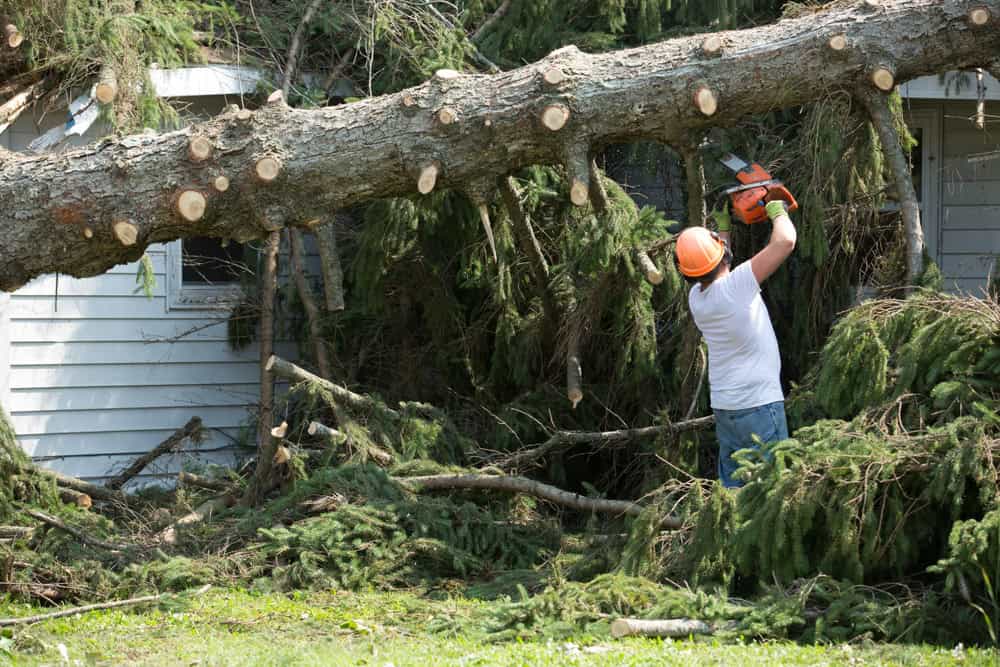
Emergency response in St. James and North Bellport often involves trees blocking driveways, damaging roofs, or tangled in power lines. These situations demand immediate professional tree services—not just for cleanup but for safety. Partially fallen trees, hanging branches, and compromised tree structures create hazards that worsen if not addressed quickly by experienced professionals.
We balance emergency tree removal with preventive care in these communities. Yes, storms will happen. But regular maintenance that removes hazardous trees, reduces wind resistance through proper tree trimming, and addresses structural problems significantly reduces the emergency situations you’ll face and the damage they cause.
The reality for St. James and North Bellport homeowners is that tree care isn’t seasonal—it’s ongoing. Storm season demands preparation. Post-storm periods require assessment and cleanup. Year-round maintenance keeps your property safe. Our professional tree services understand this cycle and we respond when you need us, becoming an invaluable resource for your property.
Insurance considerations also matter in storm-prone areas. Many homeowners don’t realize that insurance may cover tree removal when trees damage structures or block essential access, but documentation and proper procedures matter. We’re familiar with insurance requirements and help you navigate these situations efficiently, ensuring you get the coverage you’re entitled to receive.
Choosing Professional Tree Services for Your Suffolk County Neighborhood
Your neighborhood determines what your trees face, but professional tree services determine how well they handle those challenges. Whether you’re dealing with coastal salt in Bay Shore, mature canopies in Nesconset, or storm exposure in North Bellport, regular tree care protects your property and prevents the emergencies that cost thousands in damage.
The difference between reactive and proactive tree services shows up in your stress levels and your bank account. Emergency tree removal costs significantly more than scheduled maintenance. Storm damage to your home costs exponentially more than the tree trimming that could have prevented it.
Our professional tree services aren’t about selling you work you don’t need—we’re about understanding what your specific Suffolk County location demands and addressing it before problems develop. If you’re ready to stop worrying about the trees on your property, reach out to Miguel’s Tree Service for an assessment that considers your neighborhood’s unique challenges and provides solutions that protect your investment.