Summary:
When Does a Tree Actually Need to Be Removed?
Not every struggling tree needs to come down. Some can be treated, pruned, or managed. But there are clear situations where removal isn’t just the best option—it’s the only safe one.
Dead trees are the obvious case. If your tree hasn’t produced green leaves for an entire growing season, it’s done. Dead trees become brittle, unpredictable, and dangerous. They attract pests like carpenter ants and termites, and their structural integrity weakens fast.
Diseased trees are trickier. If more than half the tree shows signs of disease—deep cracks in the trunk, hollow sections, widespread dead branches—it’s often too compromised to save. Diseases like Oak Wilt or Dutch Elm Disease spread quickly to nearby trees, so removal becomes about protecting your other trees, not just the sick one. Storm damage is another big one here on Long Island. After a nor’easter with 60 mph winds, you’ll see trees leaning at dangerous angles, split trunks, or massive limbs barely hanging on. If a tree is leaning toward your house or has major structural damage from a storm, waiting isn’t smart.
What Are the Warning Signs Your Tree Is Dangerous?
You don’t need to be an arborist to spot warning signs, but knowing what to look for can help you act before a tree becomes a real problem. Start with the trunk—large vertical cracks, deep splits, or areas where the bark is missing all signal internal damage. If you see mushrooms or fungal growth at the base or along the trunk, that’s a red flag for advanced decay inside the tree.
Look at the branches. If one side of the tree has significantly more dead branches than the other, that often points to root or trunk damage on that side. Dead branches scattered throughout the canopy can indicate disease or severe stress. Also check for branches that are rubbing together or crossing—these create wounds that invite disease and weaken the tree over time.
Pay attention to the lean. A slight lean is normal for many trees, but if a tree suddenly starts leaning more, especially after a storm or heavy rain, that’s a sign the root system is failing. Trees that lean toward structures, driveways, or power lines are particularly concerning. If you notice the soil around the base heaving or cracking, the roots are likely pulling up, and the tree could topple.
Check for root issues. Exposed roots, roots that are decaying, or construction damage near the root zone all compromise stability. If more than 25% of the root system is damaged, the tree’s chances of survival drop significantly. You might also see sprouts growing from the base of the trunk—this is often a stress response indicating something is seriously wrong.
Lastly, consider the tree’s location. Even a healthy tree might need removal if it’s too close to your foundation, growing into power lines, or positioned where it could cause major damage if it fell. Trees planted in the wrong spot for their mature size become liabilities as they grow. If you’re seeing multiple warning signs, or if you’re just not sure, get a professional assessment. Waiting to see what happens isn’t worth the risk to your property or your family’s safety.
How Do Nor'easters and Coastal Storms Damage Long Island Trees?
Living in Suffolk County means dealing with nor’easters, coastal winds, and the occasional hurricane that decides to make an appearance. These storms don’t just knock down weak trees—they test every tree on your property. Wind gusts hitting 60 mph or higher can snap healthy branches, uproot trees with compromised root systems, or cause entire trees to lean dangerously. The October 2025 nor’easter alone caused a state of emergency across Suffolk County, with over 100 trees down in New York City and widespread damage across Long Island.
The problem with storm damage is that it’s not always immediately obvious. A tree might survive the initial storm but develop cracks, splits, or internal damage that weaken it over time. What looks stable today could fail during the next big wind event. Trees that take a hit during a storm often have torn roots, fractured trunks, or limbs hanging by a thread. Even if the tree is still standing, the structural damage can make it a ticking time bomb.
Coastal conditions add another layer of stress. Salt spray from the ocean, saturated soil from heavy rains and flooding, and the constant battering from wind all take their toll. Trees near the water or in low-lying areas like Bay Shore, Babylon, and Freeport face more challenges than those inland. Saturated soil weakens root anchorage, making it easier for trees to topple during high winds. If your property is on the south shore or near the bays, your trees are working harder just to stay upright.
After a major storm, you’ll often see a surge in emergency tree removal calls. Trees fall on homes, block driveways, take down power lines, or land on vehicles. The damage can be catastrophic, and the need for removal is immediate. But even if a tree doesn’t fall, storm damage often means it needs to come down before the next weather event. Waiting to see if it recovers is a gamble most homeowners can’t afford.
The frequency of these storms means Long Island homeowners need to be proactive about tree health. Regular inspections, especially after storm season, can catch problems before they become emergencies. If a tree took a beating during the last nor’easter and you’re not sure about its condition, get it evaluated. The cost of a consultation is nothing compared to the cost of a tree crashing through your roof.
How Much Does Tree Removal Cost in Suffolk County, NY?
There’s no flat rate for tree removal, and anyone who gives you a price over the phone without seeing the tree is guessing. In Suffolk County, most professional tree removal jobs fall between $500 and $2,300, with the average landing around $1,400. But that range is wide for a reason—every tree and every property is different.
Size matters most. A small tree under 30 feet might cost $150 to $500 to remove. A medium tree runs $400 to $1,200. Large trees over 80 feet can easily hit $1,500 to $3,000 or more. The taller the tree, the more time, labor, and equipment it takes to bring it down safely. Tree condition also affects cost. A healthy tree is usually easier and cheaper to remove than a dead or diseased one. Dead trees are unpredictable—brittle branches can snap without warning, and the wood doesn’t respond the same way when it’s cut. That unpredictability requires extra precautions, which adds to the price.
What Factors Drive Tree Removal Pricing on Long Island?
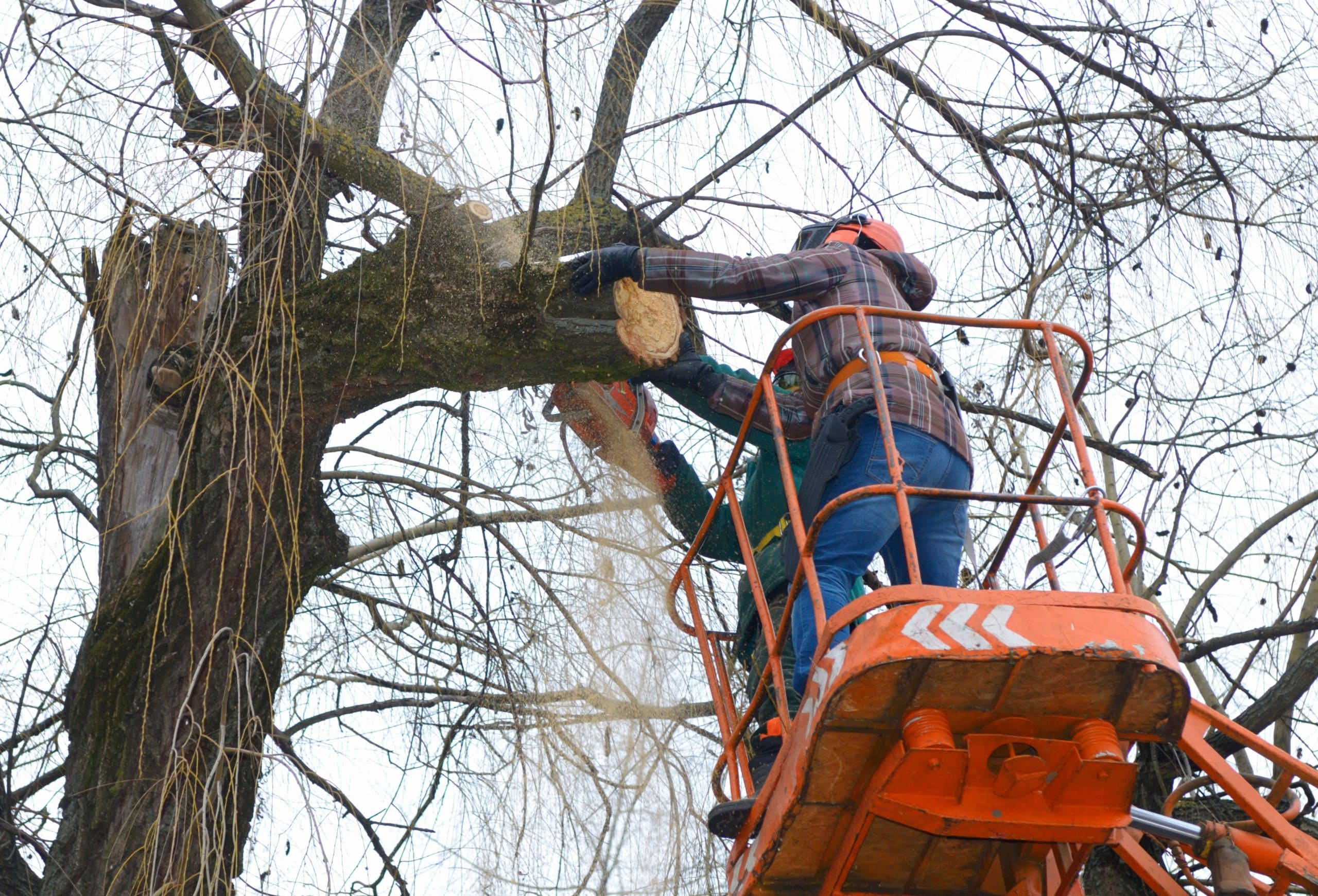
Beyond size and condition, several other factors drive the final cost of tree removal in Suffolk County. Location is huge. If your tree is in the backyard with no clear access for equipment, our crew might have to carry debris out by hand or use smaller, slower equipment. Trees near houses, fences, power lines, or other structures require more careful work—sometimes rigging systems or cranes—to avoid damage. That precision work costs more.
Accessibility plays into it too. If we can’t get a truck close to the tree, or if we have to navigate a narrow side yard or steep slope, the job becomes more labor-intensive. Easy access means faster work and lower costs. Difficult access means the opposite. Stump removal is typically separate. Grinding a stump down 4 to 6 inches below ground level usually adds $150 to $500 depending on the size. If you want the stump gone completely, including the root system, that’s more involved and more expensive.
Permits can add to the cost as well. Some Suffolk County municipalities require permits for tree removal, especially for larger trees or trees in protected areas. Permit fees are generally modest—around $25 for residential properties and $150 for commercial—but the process takes time. We can handle the permit paperwork for you for an additional fee, often around $250. It’s worth it if you don’t want to deal with the bureaucracy, and it ensures everything is done legally. Skipping required permits can result in fines up to $10,000, so it’s not something to ignore.
Emergency tree removal is a different ballgame. If a tree falls on your house during a storm or is threatening to come down, you need help immediately. Emergency services typically cost two to three times the standard rate because crews are working outside normal hours, often in dangerous conditions. But when a tree is actively threatening your property or blocking access, the premium is worth it.
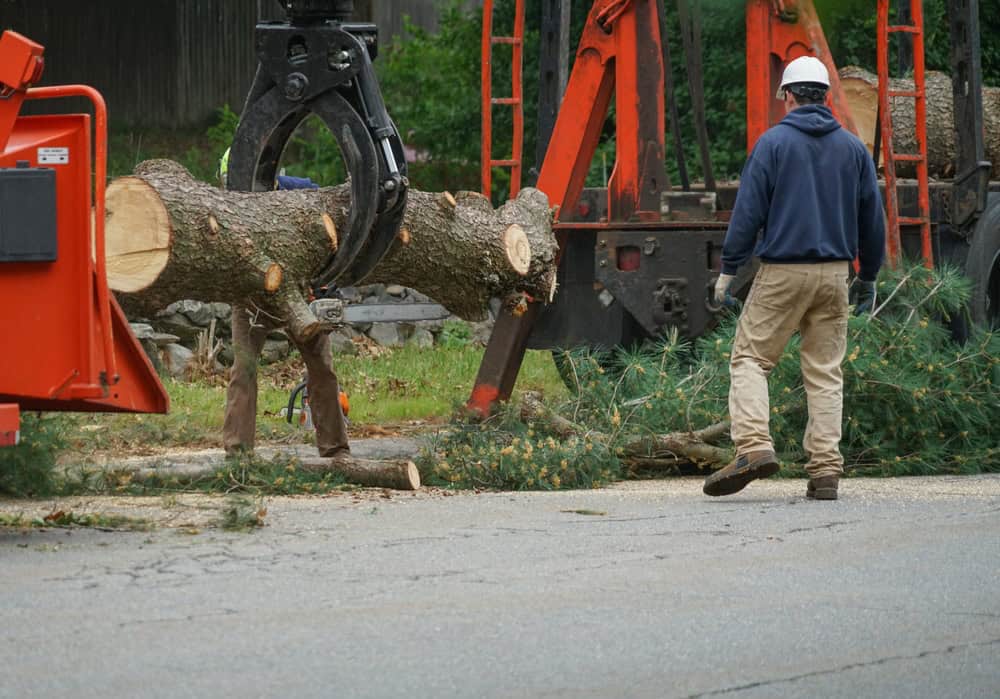
Debris removal and cleanup should be included in your quote, but it’s worth confirming. Some companies charge extra for hauling away branches, logs, and wood chips. We leave your property clean—no piles of debris, no scattered branches, just a clear space where the tree used to be. If cleanup isn’t included in a quote you receive, factor that into your decision when comparing options.
Do You Need a Permit for Tree Removal in Suffolk County?
Permit requirements in Suffolk County vary by municipality, and that’s where things get confusing. What’s required in Huntington might be different from Brookhaven, Smithtown, or Islip. Generally, permits are required for trees within 50 feet of city property, street trees, or trees in protected areas like historic districts or conservation zones. If the tree is on your private property and not in a protected area, you may not need a permit. But “may not” isn’t the same as “definitely don’t,” so checking with your local town office is essential.
Some towns require permits for trees over a certain diameter—typically 6 to 12 inches measured at breast height, about 4.5 feet above the ground. Others focus on the tree’s location or species. Protected or significant trees may require special approval even if they’re on your property. The permit process usually takes 10 to 20 days for standard applications, though emergency permits for hazardous trees can sometimes be issued same-day.
Failing to get a required permit is expensive. Fines can reach $10,000, and you might be ordered to replace the tree or restore the property. It’s not worth the risk. If you’re not sure whether you need a permit, ask us. We know the local regulations and can guide you through the process. We’ll even handle the permit application for you, which saves you the hassle of dealing with town offices and paperwork.
Keep in mind that even if you don’t need a permit, your tree removal company should still be licensed and insured. That protects you if something goes wrong during the removal. A tree falling the wrong way, damage to your property, or injuries on the job are all risks that proper insurance covers. Don’t hire someone who can’t prove they’re insured—no matter how good the price sounds.
One more thing about permits: if your tree is dead, diseased, or poses an immediate safety hazard, the permit process might be expedited. Towns understand that dangerous trees can’t wait weeks for approval. Document the tree’s condition with photos and be prepared to explain why removal is urgent. That documentation can speed things up and provide a record in case there are questions later.
What to Expect from Professional Tree Removal in Suffolk County
Tree removal starts with a consultation. We’ll come to your property, assess the tree’s size, condition, and location, and give you a clear estimate. That estimate breaks down the costs—no vague numbers or surprise fees later. We’ll explain what the job involves, how long it will take, and what equipment we’ll use. If permits are needed, we’ll let you know and can often handle that for you.
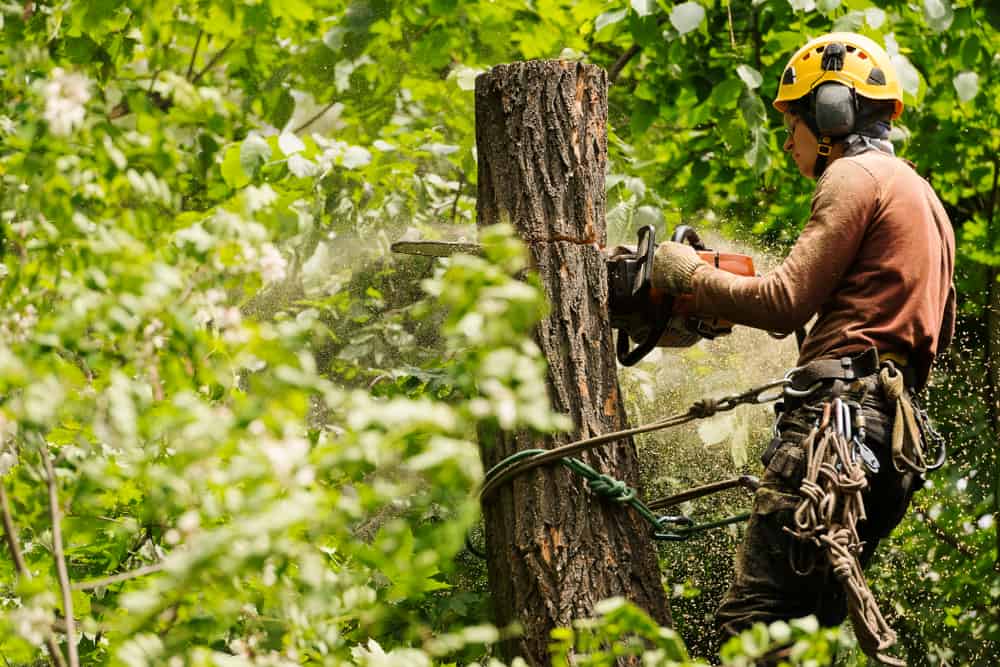
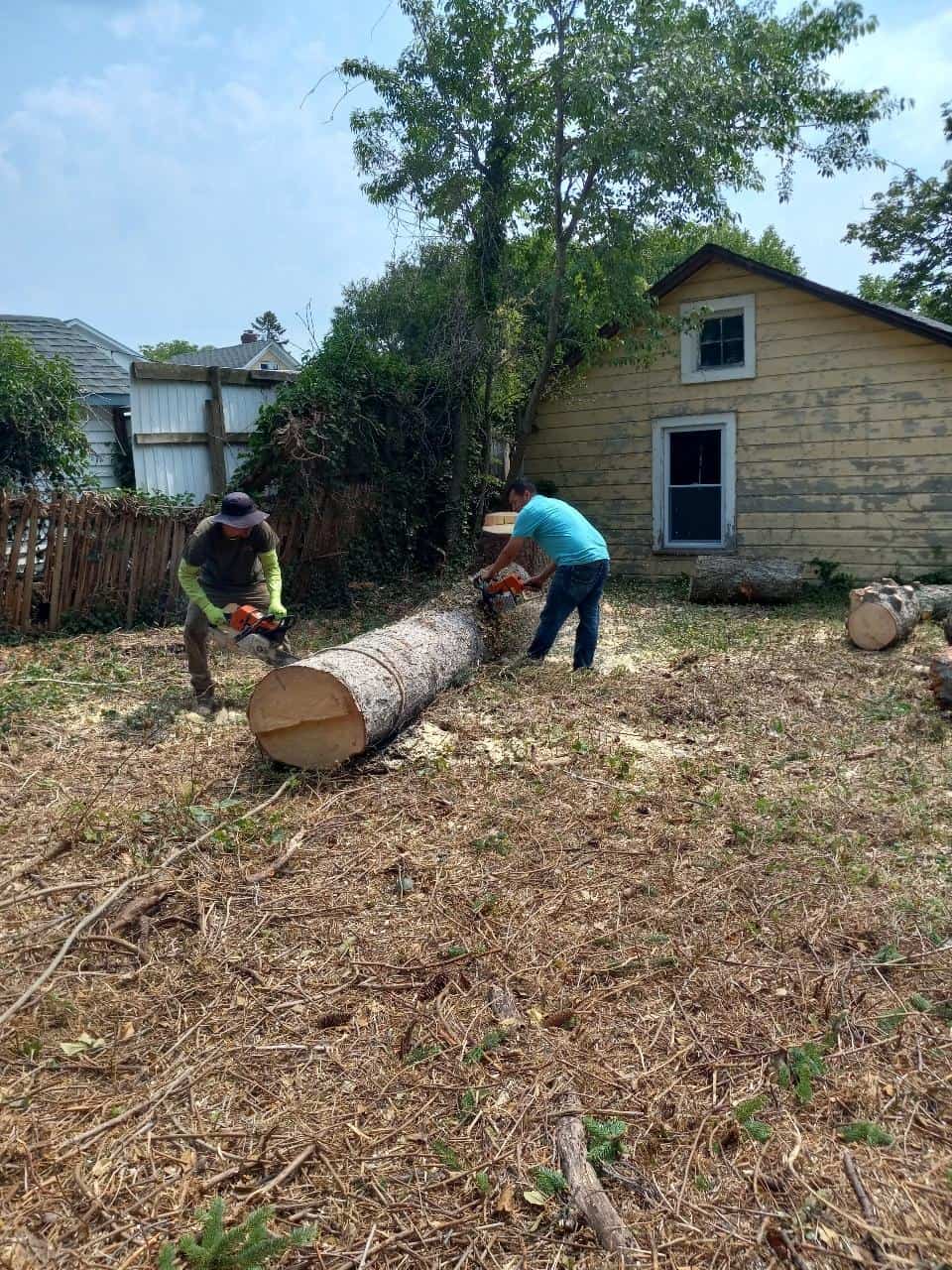
On removal day, our crew arrives with the equipment and sets up safety zones around the work area. We protect nearby structures, clear the space, and plan the safest way to bring the tree down. Most removals involve sectional dismantling—cutting the tree from the top down in manageable pieces. This controlled approach minimizes risk to your property and gives us full control over where each piece lands. For very large trees or difficult locations, cranes might be used to lift sections out safely.
Once the tree is down, stump grinding removes what’s left below ground. We clear away all debris—branches, logs, wood chips—and leave your property clean. The whole process, depending on the tree’s size and complexity, can take a few hours to a full day. When it’s done, you’re left with a clear space, no mess, and one less thing to worry about. If you’re in Suffolk County and facing a tree that needs to come down, we handle the entire process with 15 years of experience and 24/7 availability for emergencies. You get transparency, professionalism, and a team that understands Long Island’s unique challenges.