Summary:
You’ve probably driven past homes that just look more valuable. The ones where everything feels intentional, well-kept, and worth paying extra for. More often than not, those properties have something in common: mature, healthy trees that frame the house perfectly and signal that someone cares about this place. What most Suffolk County homeowners don’t realize is that professional tree services aren’t just about keeping your yard tidy—they’re one of the highest-ROI investments you can make in your property. Whether you’re planning to sell in the next year or staying put for decades, understanding how tree care impacts your home’s value changes how you think about those oaks and maples in your yard.
Do Trees Actually Increase Property Value
The short answer is yes, but only when they’re healthy and well-maintained. Research consistently shows that mature trees can increase home values anywhere from 3% to 15%. In Suffolk County, where the median home price hovers around $750,000, that translates to $22,500 to $112,500 in added value—real money that goes straight into your equity.
But here’s what the statistics don’t tell you. A tree only adds value when it’s an asset, not a liability. Overgrown branches scraping your roof, dead limbs waiting to fall during the next nor’easter, or diseased trees leaning toward your foundation? Those actually decrease your property value and send up red flags for potential buyers and their inspectors.
How Tree Care Improves Curb Appeal and First Impressions
Curb appeal isn’t some abstract real estate concept—it’s the difference between a buyer scheduling a showing or scrolling past your listing. Your front yard is the first thing anyone sees, and trees are usually the dominant feature in that view.
Professional tree trimming does something most homeowners miss: it frames your home’s architecture instead of hiding it. When an arborist shapes your trees properly, they draw the eye toward your house’s best features rather than blocking them. Overgrown trees make properties look smaller, darker, and neglected. Well-maintained trees make the same property look spacious, bright, and cared for.
The impact shows up in the data. Homes with outstanding curb appeal can sell for 7% to 14% more than similar properties with neglected exteriors. That’s not just about fresh mulch and mowed lawns—trees are the centerpiece of that equation because they’re the largest, most visible elements in your landscape.
Think about it from a buyer’s perspective. They pull up to a property and see trees with clean lines, healthy foliage, and strategic placement that provides privacy without crowding the house. That signals responsible ownership before they ever walk through the front door. They’re already thinking about higher offers because the property feels move-in ready.
On the flip side, when buyers see overgrown trees with dead branches, they’re mentally calculating removal costs and wondering what other maintenance has been deferred. That’s thousands off your asking price before the inspection even happens. Professional tree trimming prevents that scenario by keeping your trees as visual assets that enhance rather than detract from your property’s appeal.
The timing matters too. If you’re planning to sell, don’t wait until you list to address tree maintenance. Buyers want to see established, healthy growth that’s been cared for over time, not fresh cuts that look like you’re trying to hide problems. Regular professional maintenance creates that established look that translates directly into buyer confidence and higher offers.
Why Mature Trees Add More Value Than Young Trees
Size matters when it comes to tree value, but not for the reasons most people assume. Mature trees add significantly more to property values than younger trees because they provide immediate benefits that take decades to develop naturally. A 40-year-old oak offers shade, privacy, and visual impact that a newly planted sapling simply can’t match.
The numbers back this up. A single mature tree in your front yard increases your home’s sales price by an average of $7,130 according to research. That’s the value of one established tree, not your entire landscape. When you factor in multiple mature trees properly positioned around your property, the cumulative impact on value becomes substantial.
But here’s the catch that trips up many Suffolk County homeowners: mature trees only add value when they’re healthy. An old tree showing signs of disease, structural problems, or storm damage becomes a liability that actually decreases your property value. That’s where professional tree services become essential—they maintain mature trees as valuable assets rather than letting them deteriorate into expensive problems.
The maintenance equation changes as trees age. Young trees need establishment care but rarely pose risks. Mature trees require expert assessment to identify issues like internal decay, root problems, or structural weaknesses that aren’t visible to untrained eyes. A certified arborist can spot these problems early when they’re manageable and inexpensive to address, rather than waiting until they become emergency situations.
Energy savings represent another way mature trees add measurable value. Strategically placed mature trees can reduce your cooling costs by up to 25% in summer by providing shade for your home and air conditioning units. They act as windbreaks in winter, reducing heating costs. These aren’t abstract environmental benefits—they’re real dollars that show up in lower utility bills, and buyers factor that into what they’re willing to pay for your property.
Privacy is another premium that mature trees provide. In Suffolk County’s dense residential areas, established trees create natural screening that young trees won’t offer for years. Buyers pay extra for properties that feel private and secluded, even in suburban neighborhoods. Your mature trees deliver that premium immediately rather than requiring new owners to wait decades for planted trees to grow.
The key to maximizing value from mature trees is proactive professional care. Regular inspections, strategic pruning, and health maintenance keep your established trees as appreciating assets rather than depreciating liabilities. That’s the difference between trees that add tens of thousands to your property value and trees that cost you thousands in emergency removal and lost buyer interest.
What Is the ROI of Professional Tree Services
Return on investment for tree care isn’t theoretical—it’s one of the most measurable home improvements you can make. The National Association of Realtors found that professional tree care provides a 100% return on investment. That means every dollar you spend on tree maintenance comes back to you in increased property value, and often significantly more.
Compare that to most home improvements. Kitchen remodels typically return 50-60% of their cost. Bathroom upgrades hover around 60-70%. Tree care pays for itself completely and then adds additional value on top of that. The reason is simple: trees continue to grow and appreciate over time, while most other improvements depreciate from the moment they’re installed.
The ROI equation gets even better when you factor in prevented costs. Emergency tree removal in Suffolk County runs $1,000 to $5,000 or more, depending on the tree’s size and location. Add in potential damage to your home, vehicles, or neighboring properties, and the costs multiply quickly. Regular professional maintenance that costs a few hundred dollars per year prevents these multi-thousand-dollar emergencies while simultaneously increasing your property value.
How Tree Trimming Prevents Costly Emergency Removal
Emergency tree removal is expensive for reasons that go beyond the tree itself. When a tree fails during a storm or suddenly becomes hazardous, you’re paying premium rates for immediate service. You’re also dealing with potential property damage, insurance claims, and the stress of urgent situations that could have been prevented.
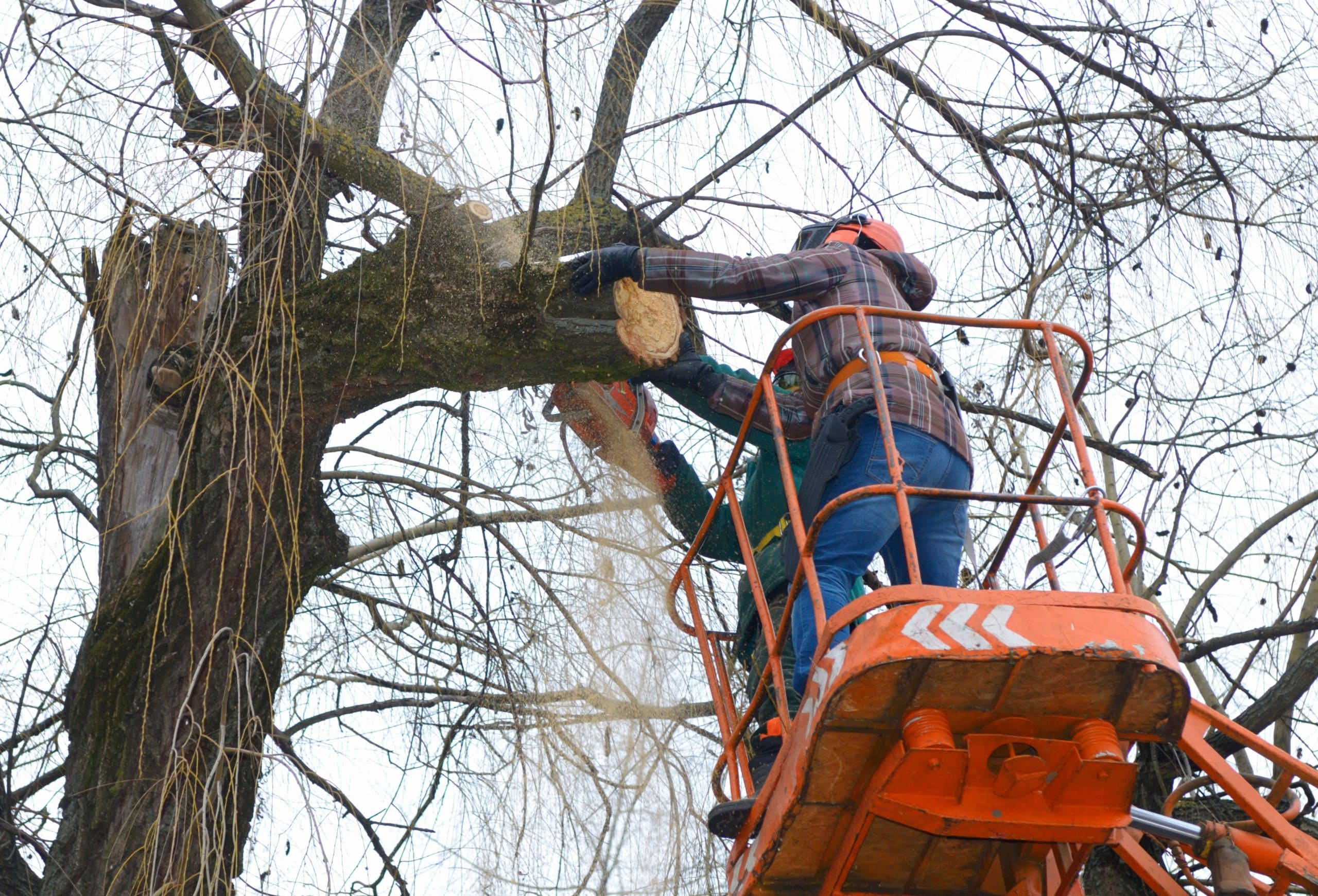
Regular professional trimming identifies problems before they become emergencies. A certified arborist spots weak branch attachments, signs of disease, and structural issues during routine maintenance visits. Removing a problematic branch during a scheduled service call might cost $200-300. Waiting until that branch falls through your roof during a nor’easter costs thousands in tree removal plus home repairs, insurance deductibles, and potential rate increases.
Suffolk County’s weather makes preventive care especially critical. Coastal winds, salt spray, and frequent storms stress trees in ways that inland properties don’t experience. Trees that look healthy to homeowners often have underlying issues that professionals can identify and address before they become dangerous. That’s not upselling—it’s the reality of maintaining trees in Long Island’s challenging environment.
The insurance angle matters more than most homeowners realize. When storm damage occurs to obviously neglected trees, insurance companies can deny claims or reduce payouts. They argue that proper maintenance would have prevented the failure, making you responsible for repair costs. Professional tree service documentation protects you by proving you’ve maintained your trees responsibly, which supports insurance claims if damage does occur despite proper care.
Emergency removal also comes with hidden costs that regular maintenance avoids. Fallen trees often block access to your property, damage landscaping during removal, and require additional services like stump grinding and debris hauling under time pressure. Scheduled maintenance happens at your convenience with careful planning to protect your property and minimize disruption. The cost difference between proactive and reactive tree care is substantial, and that gap widens every year you defer maintenance.
The property value impact extends beyond just avoiding costs. Buyers and appraisers can spot deferred tree maintenance. Dead branches, overgrown canopies, and obvious structural problems signal that other property maintenance has likely been neglected too. That perception reduces offers and complicates sales even when the rest of your home is well-maintained. Professional tree care prevents that negative signal and maintains your property’s market position.
Does Tree Removal Ever Increase Property Value
Sometimes the best way to increase property value is removing a tree rather than maintaining it. That sounds counterintuitive given everything we’ve discussed about trees adding value, but certain situations make removal the smart financial decision. The key is knowing when a tree has become a liability rather than an asset.
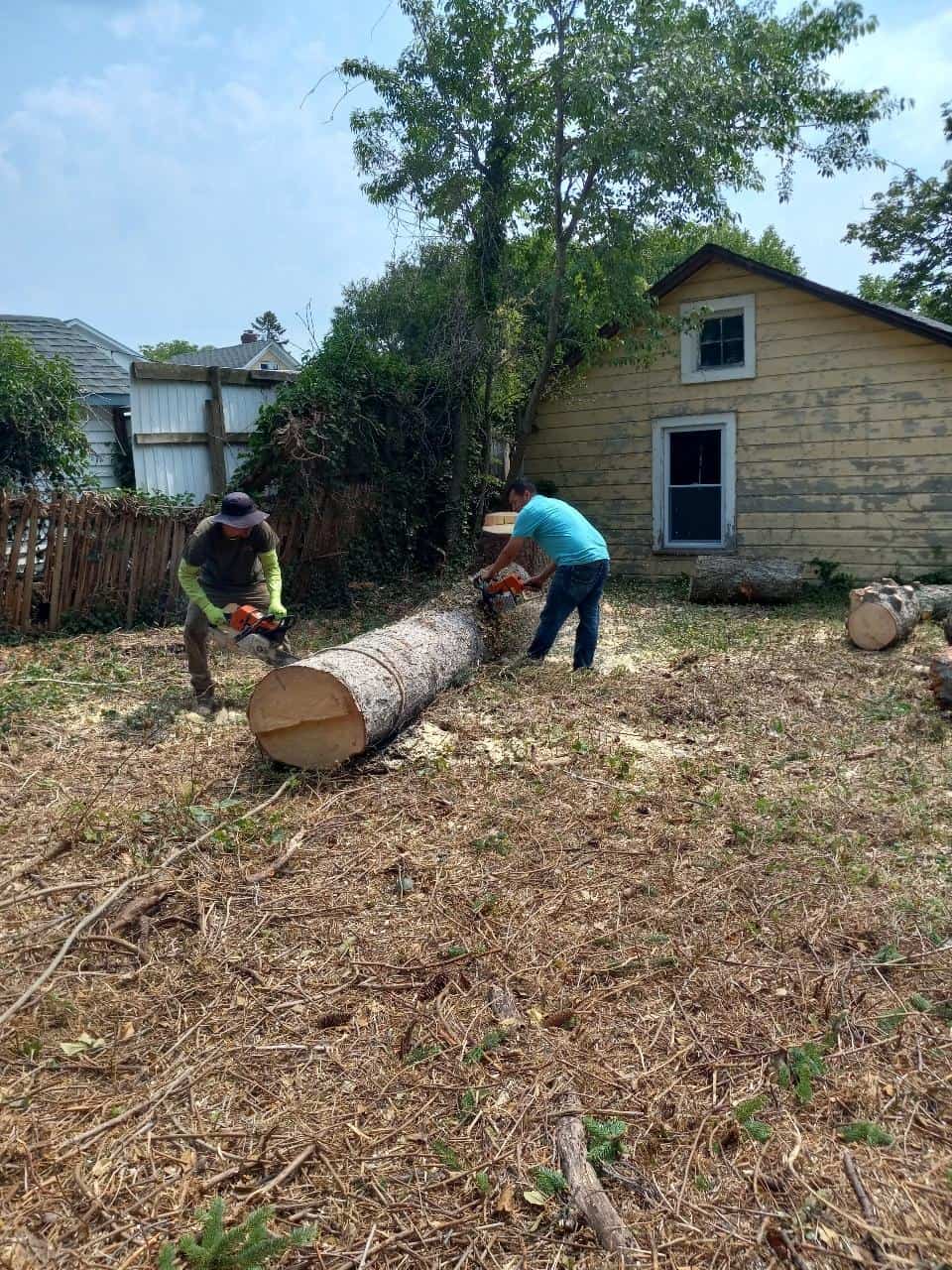
Dead or dying trees decrease property value immediately. They pose safety risks, attract pests, and signal neglect to potential buyers. A dead tree in your front yard doesn’t just fail to add value—it actively reduces what buyers will offer because they’re calculating removal costs and questioning what other problems exist. Removing a dead tree and properly addressing the area with fresh landscaping can actually increase your property value compared to leaving it in place.
Trees growing too close to structures present another scenario where removal adds value. When roots threaten foundations, branches scrape siding, or trees block too much natural light, they’re reducing your home’s appeal and functionality. Strategic removal in these cases improves both safety and livability, which translates to higher property values and faster sales.
Location matters as much as tree health. A beautiful oak that blocks your home’s view from the street reduces curb appeal despite being healthy. Trees that crowd your front entrance or obscure architectural features make your property less attractive to buyers. Professional arborists can assess whether strategic removal and replanting in better locations would increase your overall property value.
Diseased trees that can’t be saved represent another clear case for removal. Tree diseases spread to other plants and can devastate your entire landscape if left unchecked. Removing infected trees and replacing them with healthy specimens appropriate for your property protects your landscape investment and maintains property value. The cost of removal and replacement is typically far less than the value lost from letting disease spread through your yard.
Hazardous trees near power lines, over structures, or leaning dangerously need removal regardless of their appearance. These trees create liability risks that sophisticated buyers recognize immediately. Insurance companies may even require removal as a condition of coverage. Addressing these hazards proactively prevents them from becoming deal-breakers during home sales and demonstrates responsible property management.
The key is making informed decisions with professional guidance. A certified arborist can assess whether a problematic tree can be saved through treatment and pruning or whether removal is the better option. They can also advise on replacement strategies that maintain or increase your property’s tree value while eliminating specific problems. That expertise prevents costly mistakes like removing healthy trees that add value or keeping problematic trees that reduce it.
Making Tree Care Part of Your Property Value Strategy
Your trees represent a significant portion of your property’s value, but only when they’re healthy and professionally maintained. The research is clear: well-maintained trees can add 3% to 15% to your home’s value, deliver 100% ROI on maintenance costs, and help your property sell faster when the time comes. The flip side is equally clear: neglected trees decrease value, create safety risks, and signal deferred maintenance to potential buyers.
The smart approach is treating tree care as an investment rather than an expense. Regular professional maintenance costs a fraction of emergency removal while simultaneously increasing your property value year after year. That’s a rare combination in home improvement—most upgrades depreciate from the day they’re installed, but properly maintained trees appreciate as they mature.
For Suffolk County homeowners, the unique challenges of coastal weather and local regulations make professional expertise especially valuable. Whether you’re preparing to sell or protecting your long-term investment, we understand Long Island’s specific conditions and can help you maximize your trees’ value while protecting your property from the storms and environmental stresses that make tree care critical in this area.