Summary:
You heard the crack. Maybe you saw the tree come down during the storm, or maybe you walked outside this morning and found your driveway blocked, your car crushed, or worse—a massive oak sitting on your roof.
Now what?
When a tree falls on your property in Suffolk County, the next few hours matter. What you do right now affects your safety, your insurance claim, and how much this is going to cost you. This isn’t the time to guess or wait it out. You need a clear plan, and you need to know when to call for help. Here’s exactly what to do when storm damage leaves you staring at a fallen tree.
What to Do Immediately After a Tree Falls
Your first move isn’t grabbing a chainsaw or calling your insurance company. It’s making sure everyone is safe.
If the tree hit your house, get everyone out. Don’t assume the structure is stable just because it’s still standing. A tree on your roof can compromise support beams, and you won’t know the extent of the damage until professionals assess it.
Check for downed power lines. This is critical. If you see wires on the ground, tangled in branches, or anywhere near the fallen tree, stay back. Treat every wire like it’s live, because it probably is. Call your utility company immediately and keep everyone—including pets—away from the area. Don’t try to move branches or debris if there’s any chance power lines are involved.
Assess the Damage and Document Everything
Once you’ve confirmed everyone is safe and there are no immediate electrical hazards, it’s time to look at what you’re dealing with.
Walk your property carefully. Look for trees or large branches that fell on structures—your house, garage, shed, fence, or vehicles. Check if any trees are blocking your driveway or access to your home. Even if a tree didn’t hit anything, it might be leaning dangerously or have exposed roots that make it unstable.
Document everything with photos and video. Your insurance company will want proof of the damage, and you want a clear record before any cleanup begins. Take wide shots showing the full scene, then close-ups of specific damage. Photograph the tree itself, where it made contact with structures, and any other property damage you can see. If there’s damage inside your home from the tree puncturing the roof, document that too.
Make notes about when the tree fell if you know. Was it during the storm last night? Did you hear it come down? Insurance companies often ask for timelines, and the more detail you can provide, the smoother your claim will go.
Don’t move anything yet. You want insurance adjusters to see the damage as it happened. If you start clearing debris before they arrive, you might inadvertently remove evidence that supports your claim. The exception is if you need to prevent further damage—like tarping a hole in your roof—which most policies actually require you to do.
Call your insurance company as soon as possible. Report the incident and ask specifically what your policy covers. Not all tree damage is covered the same way, and you want to know upfront whether you’re filing a claim or paying out of pocket. Ask if they need to send an adjuster before you start cleanup, and get a claim number for your records.
When to Call Emergency Tree Removal Services
You need emergency tree removal when waiting isn’t an option. That means calling a 24 hour tree service the moment you realize you’re dealing with an urgent situation.
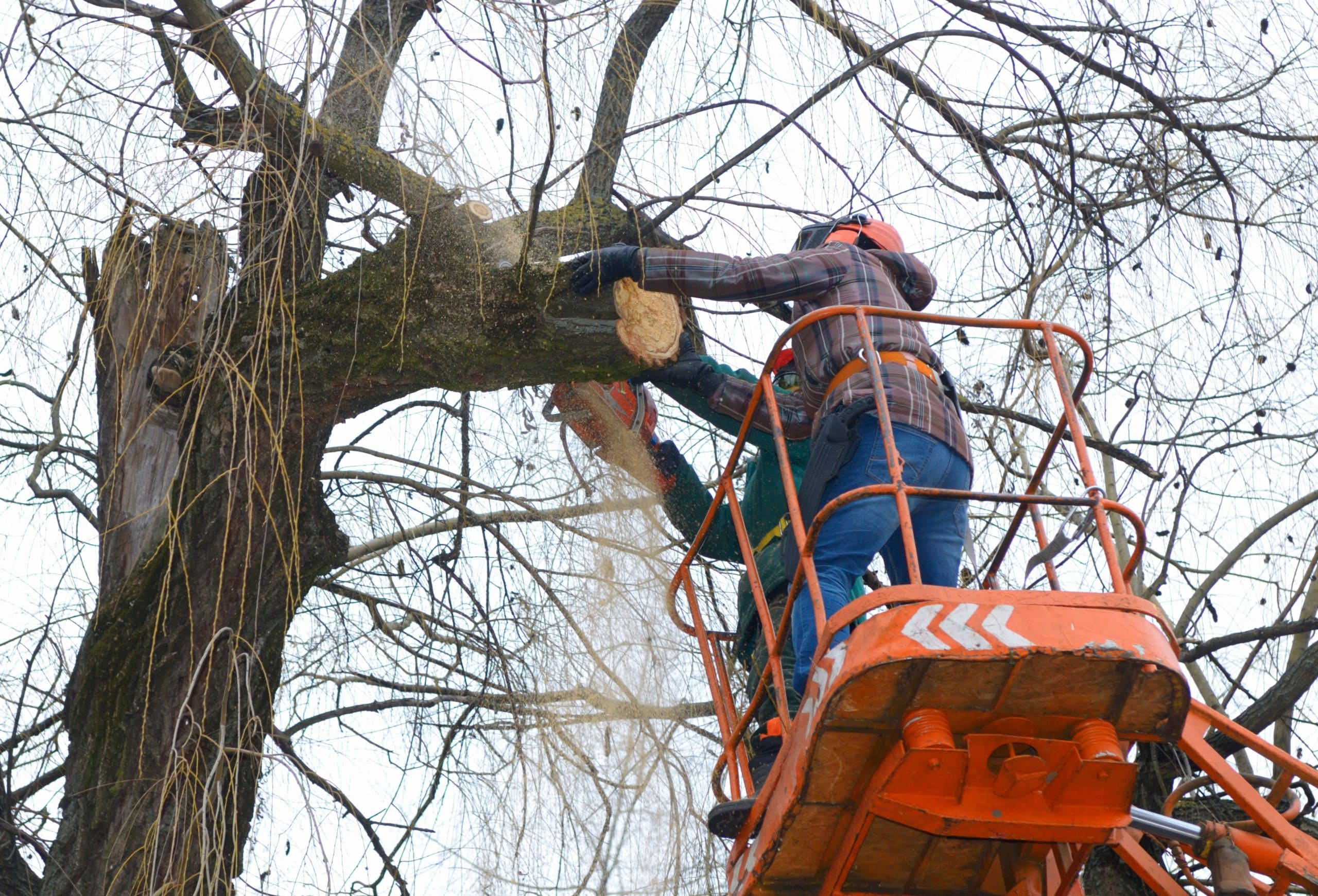
If a tree fell on your house, you call now. The tree needs to come off your structure as quickly as possible to prevent additional damage. Rain can get through the damaged roof, weight can cause further structural issues, and an unstable tree can shift and cause even more problems. We understand this urgency and respond fast.
If a tree is blocking your only way in or out of your property, that’s an emergency. You can’t wait until Monday morning if this happened over the weekend. You need access to your home, and emergency services need access to you if something else goes wrong.
Trees that are partially uprooted but still standing are deceptively dangerous. They look stable until they’re not, and when they finally give way, you have zero warning. These trees can fall during calm weather when the compromised structure finally fails. Don’t wait on these—get a professional assessment immediately.
Trees leaning toward your house or over power lines need immediate attention too. Even if they haven’t fallen yet, the risk is too high to ignore. A strong gust of wind or the weight of the next storm could send them crashing down, and by then it’s too late to prevent the damage.
When you call for fallen tree removal near me, be ready to describe what you’re seeing. Tell them if the tree hit a structure, if power lines are involved, if anyone was injured, and where the tree is located on your property. The more detail you provide, the better they can prepare to handle your specific situation when they arrive.
Most reputable emergency tree removal companies in Suffolk County can respond the same day, often within a few hours. During major storms when everyone is calling, response times might be longer, but we prioritize situations where trees have already caused damage or pose immediate danger to people and property.
Understanding Insurance Coverage for Fallen Trees
Insurance coverage for fallen trees confuses most homeowners, and the rules aren’t as straightforward as you’d expect.
Here’s what you need to know: if a tree falls on your house, garage, shed, fence, or another insured structure on your property, your homeowners insurance typically covers both the damage to that structure and the cost to remove the tree. Most policies will pay $500 to $1,000 for tree removal, though the exact amount depends on your specific policy.
But if that same tree falls in your yard without hitting anything? You’re probably paying for removal yourself. Insurance is designed to cover sudden damage to structures, not tree removal from your lawn—even if the tree fell during a covered event like a storm.
What Insurance Companies Actually Cover
The key factor insurance companies look at is what the tree hit and why it fell.
If the tree fell because of a covered peril—wind, lightning, hail, or other storm damage—and it hit an insured structure, you can file a claim. Your policy will cover repairs to the damaged structure and typically includes limited coverage for tree removal as part of the cleanup.
If the tree fell because it was dead, diseased, or rotting, and you knew about the problem but didn’t address it, insurance might deny your claim. They can argue you were negligent in maintaining your property, and negligence isn’t covered. This is why it matters if your neighbors warned you about that dead tree, or if you had previous estimates to remove it but didn’t follow through.
There’s an exception that helps some homeowners: if a fallen tree is blocking your driveway or a handicap access ramp, some insurance policies will cover removal even if the tree didn’t hit a structure. Check your specific policy because not all insurers offer this, but it’s worth asking about when you file your claim.
What about your neighbor’s tree? If your neighbor’s tree falls on your property and damages your house, your insurance typically covers it. Your insurance company might then try to collect from your neighbor’s insurance through a process called subrogation, but that’s between the insurance companies. You file with your own insurer first.
The situation changes if your neighbor’s tree was clearly dead or dangerous and they ignored the problem. If you can prove they knew the tree was hazardous—maybe you sent them a certified letter about it, or there’s documentation of the issue—their insurance might be liable instead of yours. But proving negligence is difficult, and most of the time it’s faster to file with your own insurance and let them sort out who ultimately pays.
Your car is a different story. If a tree falls on your vehicle, that’s covered by your auto insurance, not your homeowners policy. Specifically, you need comprehensive coverage on your auto policy, which covers damage from events outside your control like falling trees, hail, and vandalism. If you only have liability coverage, you’re out of luck.
How to File a Claim After Storm Damage
Filing an insurance claim for tree damage is straightforward if you follow the right steps and have your documentation ready.
Start by calling your insurance company as soon as you’ve documented the damage. Explain what happened, when it happened, and what was damaged. Be specific about whether the tree hit your house, garage, or other structures. Ask if they need to send an adjuster before you begin cleanup, and get a claim number for all future correspondence.
Provide your photos and videos when requested. The documentation you took earlier becomes critical evidence supporting your claim. Insurance adjusters want to see the damage from multiple angles, and clear photos showing both the tree and the damage it caused make the process faster.
Get estimates from tree removal companies. Most insurers want at least one estimate, and some prefer multiple quotes for comparison. Emergency tree removal in Suffolk County typically costs between $500 and $2,000 depending on tree size, location, and complexity. When you call for estimates, let them know you’re filing an insurance claim. Experienced companies handle insurance work regularly and know what documentation insurers require.
Keep detailed records of everything. Save all correspondence with your insurance company, including emails, letters, and notes from phone calls. Keep copies of estimates, invoices, and receipts for any emergency repairs you had to make. If you had to stay in a hotel because the tree made your home uninhabitable, save those receipts too—some policies cover temporary living expenses.
Make temporary repairs to prevent further damage. Most insurance policies actually require you to take reasonable steps to protect your property after a loss. If the tree put a hole in your roof, covering it with a tarp is expected. If it broke windows, boarding them up is reasonable. Just document what you do and keep receipts, because these costs are usually reimbursable as part of your claim.
Don’t wait for insurance approval to remove a dangerous tree. If the tree is creating an immediate safety hazard, you may need to proceed with emergency removal before the adjuster arrives. Call your insurance company first to let them know, take extensive photos, and explain why waiting wasn’t safe. Most insurers understand that safety comes first, but communication is key.
Be prepared for the deductible. Your homeowners insurance deductible applies to tree damage claims just like any other claim. If your deductible is $1,000 and the total damage is $1,500, you’ll pay the first $1,000 and insurance covers the remaining $500. Make sure the damage exceeds your deductible enough to make filing worthwhile.
Getting Help When You Need It Most
When a storm drops a tree on your property, you don’t have time to figure things out as you go. You need to act fast, stay safe, and get professional help before the damage gets worse.
Remember the priorities: safety first, document everything, call your insurance company, and don’t hesitate to bring in emergency tree removal when the situation demands it. The right response in those first few hours can save you thousands in additional damage and make the entire insurance process smoother.
Long Island’s nor’easters and hurricanes are unpredictable, but your response doesn’t have to be. If you’re dealing with a fallen tree or storm damage right now, we offer 24/7 emergency response throughout Suffolk County. We understand what you’re going through and can help you get your property safe and back to normal.