You get peace of mind knowing your trees won’t become your biggest headache during the next storm. No more lying awake wondering if that oak near your house will hold up to Suffolk County’s harsh weather.
Your property stays protected from the kind of damage that costs homeowners thousands. We’re talking about limbs that can punch through roofs, roots that crack foundations, and emergency situations that turn expensive fast.
You also get your weekends back. No more stressing about which branches look questionable or trying to figure out if you can handle tree work yourself. Professional tree care means the job gets done safely, completely, and without the risk that comes with DIY attempts.
We’ve been handling Lindenhurst’s trees since 2009. We know how coastal weather affects your oaks, pines, and maples differently than inland properties deal with.
We’re the tree company your neighbors call when they need work done right. Licensed, insured, and locally owned—which means we’re here when you need us, not just when it’s convenient.
Lindenhurst homeowners trust us because we understand what’s at stake. Your home is likely your biggest investment, and trees that aren’t properly maintained can threaten that investment quickly. We treat every job like it’s our own property.
First, we come out and assess what you’re dealing with. Not every tree problem requires removal—sometimes pruning or trimming solves the issue for a lot less money.
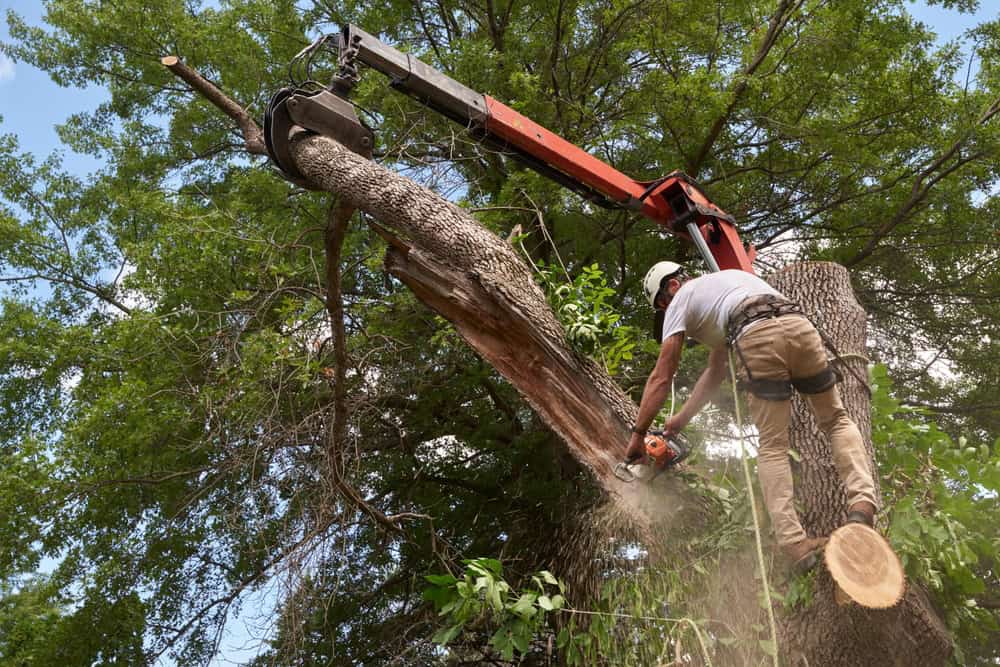
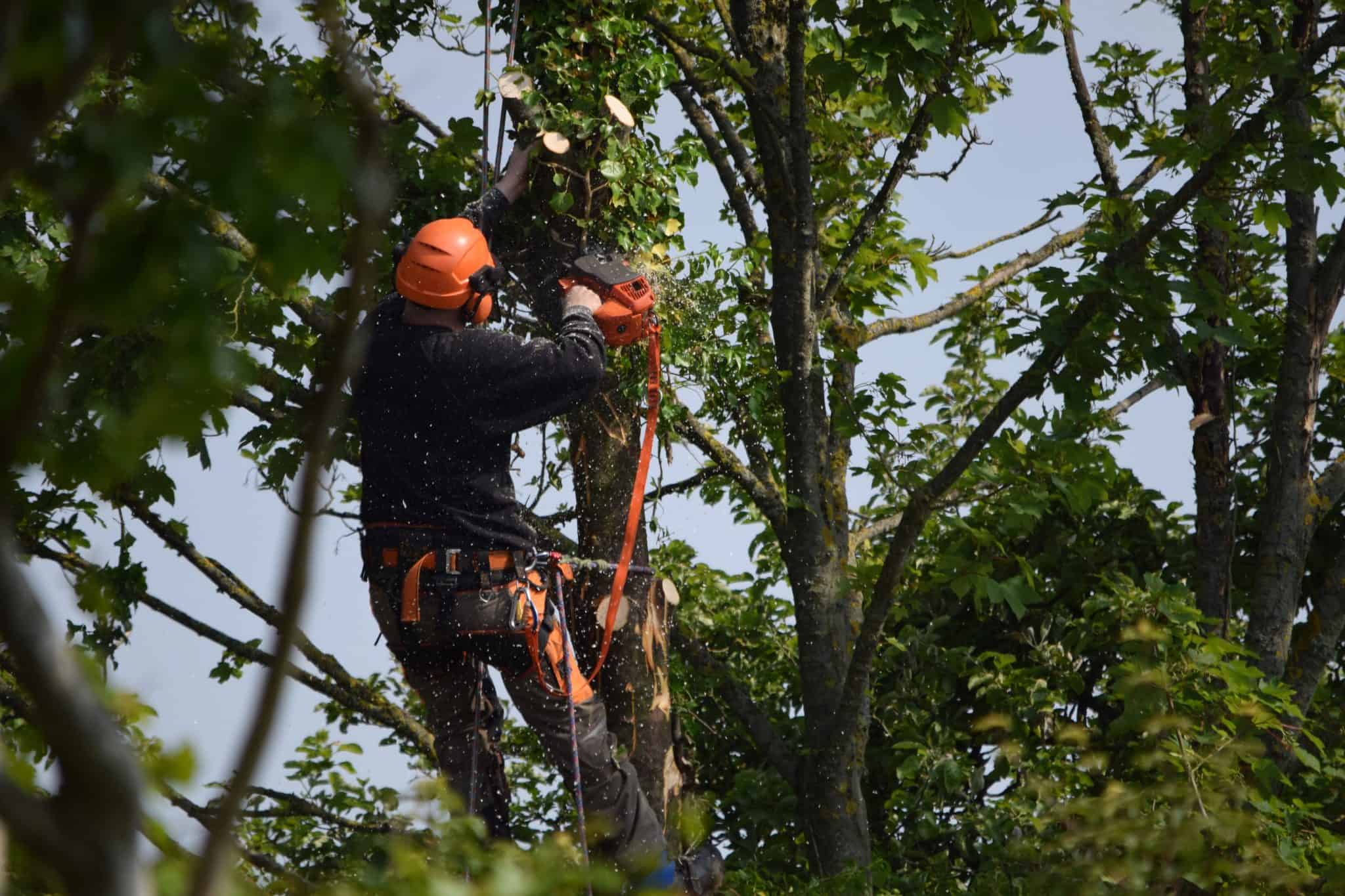
If removal is the right call, we plan the job carefully. That means figuring out how to get the tree down without damaging your house, your neighbor’s fence, or the power lines. We use the right equipment and techniques for your specific situation.
Then we execute the plan safely and clean up completely. You’re not left with a pile of debris or wood chips scattered across your yard. We handle disposal and leave your property cleaner than we found it.
Ready to get started?
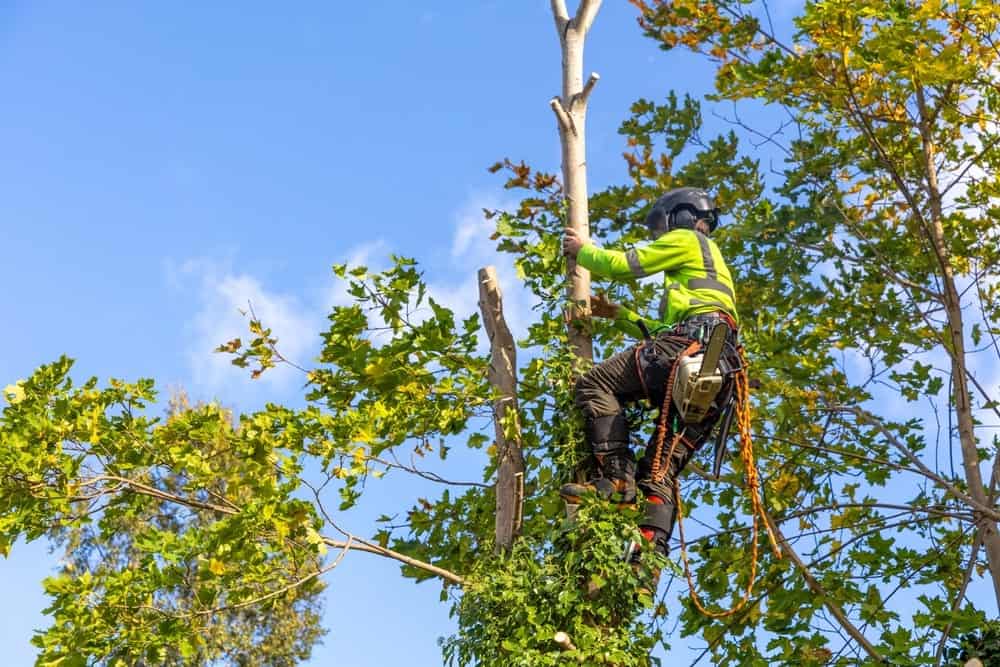
Our tree services cover everything from routine maintenance to emergency situations. Tree trimming and pruning keep your trees healthy and prevent problems before they start. Emergency tree removal handles the urgent situations that can’t wait.
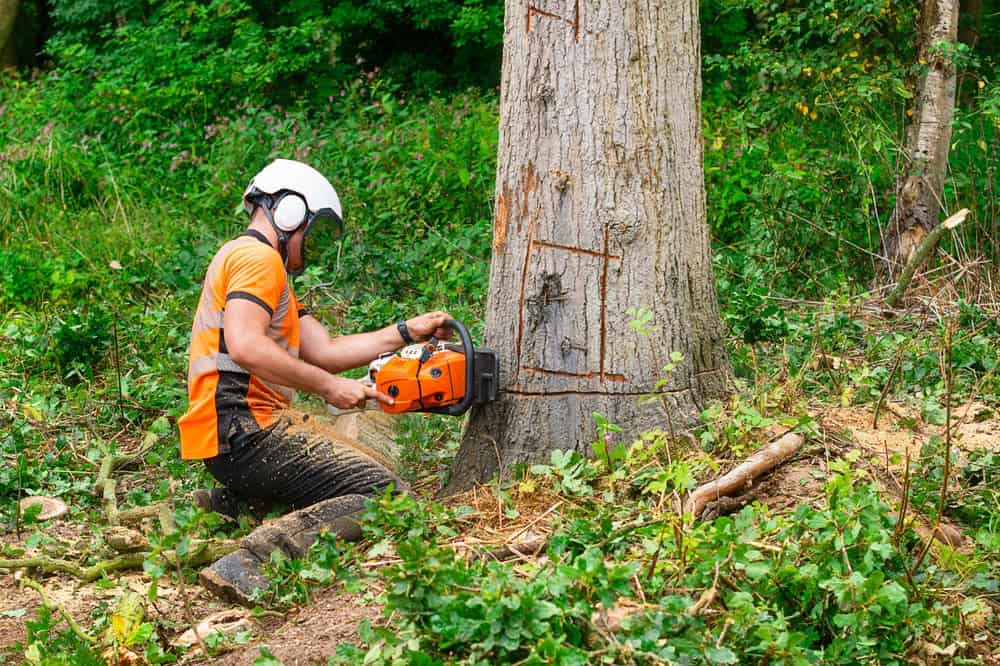
Stump grinding eliminates those eyesores left behind after tree removal. We also handle tree cutting for clearance issues around power lines, buildings, or driveways.
Lindenhurst’s location brings unique challenges. Salt spray from the coast, strong winds, and rapid weather changes stress trees in ways that require local expertise. We account for these factors in every job, whether it’s preventive maintenance or emergency response after a storm hits Suffolk County.
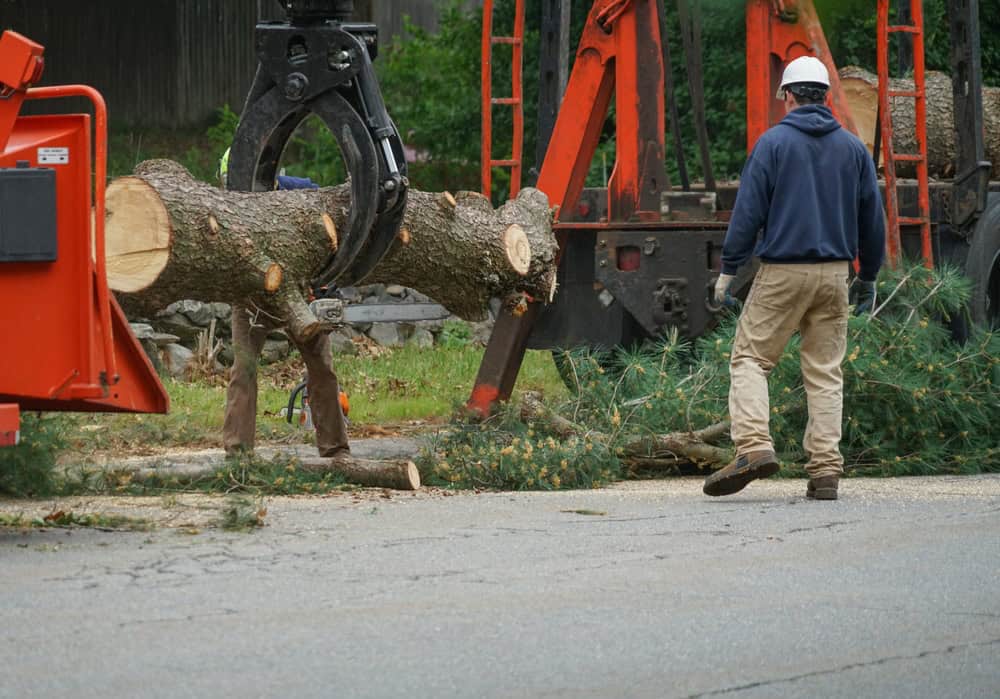
Tree removal costs in Lindenhurst typically range from $500 to $2,500, depending on the tree’s size, location, and condition. Smaller trees under 30 feet usually cost $500-$1,000, while larger trees over 60 feet can run $1,500-$2,500 or more.
Several factors affect pricing. Trees close to your house, power lines, or in tight spaces cost more because they require specialized equipment and extra safety measures. Emergency removals after storms typically cost 1.5 to 3 times normal rates due to the urgent nature and hazardous conditions.
We provide free estimates so you know exactly what you’re looking at cost-wise. Most homeowners find that professional removal is more affordable than they expected, especially when you factor in the equipment, insurance, and expertise included in the service.
Permit requirements in Lindenhurst depend on the tree’s size and location. Generally, small trees under 5 inches in diameter on your private property don’t require permits. Larger trees or those on public property typically do need permits.
The rules can be confusing because they vary by township and change over time. Some tree service companies handle permit applications as part of their service, typically for $200-$300, because navigating these requirements can be genuinely difficult for homeowners.
We help determine if your situation requires a permit and can assist with the application process. It’s always better to check first rather than face fines or complications later. Local regulations exist to protect both property owners and the community’s tree canopy.
The best time for tree pruning in Lindenhurst is late winter or early spring, before new growth starts. This timing promotes healthy growth and gives trees the full growing season to recover from pruning cuts.
However, dead, diseased, or dangerous branches should be removed immediately, regardless of season. Storm-damaged limbs or branches threatening your house, power lines, or walkways need attention right away to prevent accidents or property damage.
Suffolk County’s coastal climate means trees face unique stresses from salt spray, strong winds, and rapid weather changes. Regular pruning every 2-3 years helps trees withstand these conditions better and prevents the kind of overgrowth that becomes dangerous during storms.
Tree trimming removes specific branches to improve the tree’s health, appearance, or safety while keeping the tree alive. It’s used for clearance around buildings or power lines, removing dead or diseased branches, or shaping growth patterns.
Tree removal takes down the entire tree. This becomes necessary when trees are dead, severely diseased, structurally compromised, or pose safety risks that can’t be addressed through trimming. Sometimes trees simply outgrow their location and threaten foundations or structures.
The decision between trimming and removal depends on the tree’s condition and your specific situation. Healthy trees with localized problems can often be saved through proper trimming, which costs significantly less than removal. We assess each situation and recommend the most cost-effective solution that addresses your safety concerns.
Yes, we provide 24/7 emergency tree service throughout Lindenhurst and Suffolk County. Storm damage, fallen trees, and dangerous limbs can’t wait for regular business hours, especially when they threaten your home or block access.
Emergency situations we handle include trees fallen on houses or cars, limbs dangling over power lines, blocked driveways or roads, and trees leaning dangerously after storm damage. We respond quickly to secure the area and remove immediate threats.
Keep in mind that emergency services typically cost more than scheduled work due to the urgent response time and potentially hazardous working conditions. However, the alternative—leaving dangerous trees in place—often results in much higher costs from property damage or injuries.
Several warning signs indicate a tree may need removal. Dead or dying trees with extensive decay, hollow trunks, or large sections of dead branches pose serious safety risks. Trees leaning significantly toward structures or showing exposed roots may have compromised stability.
Disease symptoms like fungal growth at the base, extensive pest damage, or widespread branch die-back often mean the tree is beyond saving. Trees with major structural damage from storms, construction, or age-related decay typically require removal rather than treatment.
Location also matters. Trees growing too close to foundations, septic systems, or power lines may need removal even if they’re healthy. We provide professional assessments to determine whether your trees can be saved through pruning and treatment or if removal is the safer, more cost-effective option.
Other Services we provide in Lindenhurst