Summary:
How Long Island's Climate Makes Regular Tree Trimming Essential
Long Island’s unique coastal environment creates specific stresses that make routine tree care more critical than in most other areas. The combination of humid summers, salt spray, and intense storm systems puts your trees under constant pressure.
During summer months, the high humidity creates perfect conditions for fungal diseases that thrive in dense, poorly-ventilated canopies. Without proper trimming to improve air circulation, your trees become vulnerable to problems that can spread quickly through the entire canopy. The salt-laden air from the ocean also weakens branch structure over time, making regular inspection and pruning essential for maintaining tree integrity.
Winter brings its own challenges with ice storms and heavy snow loads that can snap branches weakened by poor maintenance. Trees that haven’t been properly trimmed to remove weak or crossing branches are far more likely to suffer significant damage during these weather events.
Native Long Island Species and Their Specific Trimming Needs
Understanding your specific tree species is crucial for effective trimming on Long Island. The region’s native trees—including Red Oak, White Oak, American Beech, and Eastern Red Cedar—each have unique requirements that we understand intimately as professional arborists.
Oak trees, which are abundant throughout Suffolk County, require particularly careful timing. These majestic trees should only be trimmed during their dormant season, typically between November and February, to prevent oak wilt disease. This deadly fungal infection is spread by beetles that are attracted to fresh cuts during warmer months. Trimming oaks at the wrong time can literally kill a healthy tree within months.
Maple trees present different challenges, as they tend to “bleed” sap heavily if pruned too close to spring. While this bleeding isn’t usually harmful to the tree, it can be unsightly and stress the tree unnecessarily. Professional timing ensures your maples get the care they need without the mess.
Pine trees, common in Long Island’s sandy soils, rarely require structural pruning but benefit from deadwood removal. These evergreens can actually be damaged by excessive cutting, so they need a lighter touch than deciduous species. Eastern Red Cedar and other native conifers help prevent soil erosion and provide year-round structure to your landscape, but they need species-specific care to thrive.
The key is understanding that each species has evolved to handle Long Island’s conditions differently. Native trees generally require less intervention than non-native species, but they still benefit enormously from professional care that works with their natural growth patterns rather than against them.
Storm Preparation Through Strategic Trimming
Long Island’s location makes it a frequent target for severe weather, from summer thunderstorms to nor’easters and occasional hurricanes. Strategic tree trimming is your first line of defense against storm damage, but it requires more than just cutting back overgrown branches.
Professional storm preparation involves thinning dense canopies to reduce wind resistance while maintaining the tree’s structural integrity. When wind can flow through a tree’s canopy rather than against it like a sail, the tree is far less likely to uproot or lose major limbs. This technique, called crown thinning, removes selected interior branches while preserving the tree’s natural shape and strength.
Removing dead, diseased, or weakly attached branches before storm season eliminates the most likely projectiles. These branches often break first during high winds, potentially causing damage to your home, vehicles, or neighboring properties. A single falling branch can cause thousands of dollars in damage that proper trimming could have prevented.
The timing of storm preparation trimming matters too. The best window for this work is late spring or early summer, well before hurricane season peaks. This gives trees time to begin healing from pruning cuts while removing vulnerable branches before they become dangerous. Many Long Island homeowners wait until October to think about storm preparation, but by then it’s often too late for preventive trimming.
We also look for signs of internal decay or root problems that might make entire trees vulnerable during storms. Sometimes the best storm preparation involves removing a compromised tree entirely rather than risking catastrophic failure during the next big weather event.
The Health and Safety Benefits of Professional Tree Trimming
Regular tree trimming delivers benefits that go far beyond simple appearance. Proper pruning actually extends tree life by removing diseased or damaged wood before problems can spread to healthy parts of the tree.
When you remove dead or diseased branches promptly, you prevent decay organisms from moving into the main trunk or other healthy branches. This is especially important in Long Island’s humid climate, where fungal problems can spread rapidly through a tree’s vascular system. We know how to make clean cuts that heal properly and don’t create entry points for disease.
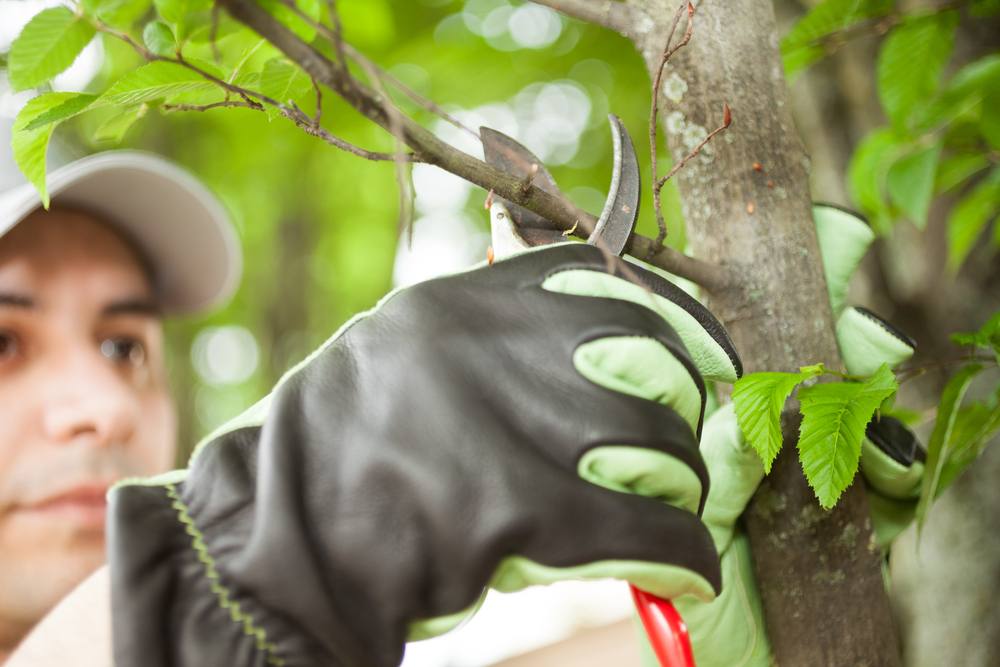
Trimming also improves the overall structure of your trees, reducing the likelihood of branch failure that could injure someone or damage property. Removing branches that rub against each other prevents bark damage that can lead to infection. Eliminating branches with weak attachment points prevents future failures during normal weather conditions, not just storms.
Property Value Protection Through Tree Care
Well-maintained trees are among the most valuable assets on your Long Island property, but poorly maintained trees can actually decrease your home’s value and marketability. Regular professional trimming ensures your trees remain assets rather than becoming liabilities.
Mature, healthy trees can add thousands of dollars to your property value, but only when they’re properly maintained. A beautiful oak or maple that’s been neglected can quickly become a safety hazard that insurance companies and potential buyers see as a major red flag. Professional trimming maintains the health and appearance that makes trees valuable.
Regular tree care also prevents the need for expensive emergency removals. A tree that receives proper maintenance throughout its life rarely needs to be removed due to health problems. Emergency tree removal, especially when it involves damage to structures or utility lines, can cost many times more than routine preventive care.
The aesthetic benefits of professional trimming also contribute significantly to curb appeal. Trees with proper structure and healthy canopies frame your home beautifully and create the kind of mature landscape that buyers actively seek. Overgrown, poorly maintained trees make properties look neglected and can actually deter potential buyers even when the house itself is in excellent condition.
Insurance considerations also play a role in property value. Well-maintained trees are less likely to cause claims, and some insurance companies offer discounts for properties with documented professional tree care. Conversely, obviously neglected trees can lead to higher premiums or even coverage restrictions.
When to Schedule Professional Tree Trimming Services
Timing your tree trimming correctly can make the difference between healthy, thriving trees and stressed or damaged ones. Long Island’s climate creates specific windows when trimming is most beneficial and safest for different species.
For most deciduous trees, the dormant season from late November through February provides the ideal trimming window. During dormancy, trees aren’t actively growing, which means trimming causes less stress and allows energy to focus on healing rather than new growth. The absence of leaves also makes it easier for us to see the tree’s structure and identify problems that might be hidden during the growing season.
However, timing varies significantly by species. Spring-flowering trees like dogwoods and magnolias should be trimmed immediately after their blooming period ends, not during winter dormancy. Trimming these trees at the wrong time removes next year’s flower buds, defeating one of the main reasons you planted them.
Emergency situations override normal timing considerations. Dead, damaged, or hazardous branches should be removed immediately regardless of season, as the safety risk outweighs any potential stress to the tree. Storm damage, in particular, requires prompt attention to prevent further problems and maintain safety.
Most Long Island trees benefit from professional evaluation every 2-3 years, with actual trimming needed based on species, age, and growing conditions. Fast-growing species may need annual attention, while slow-growing mature trees might only need trimming every 5-7 years. The key is having a professional assess your specific trees and develop a maintenance schedule that works for your landscape.
Protecting Your Long Island Landscape Investment
Your trees represent a significant investment in your property’s future, and regular professional trimming is the best way to protect that investment. Proper tree care prevents small problems from becoming expensive emergencies while maintaining the health and beauty that makes your landscape valuable.
The unique challenges of Long Island’s coastal environment make professional expertise especially important. As local arborists, we understand how salt spray, humidity, and severe weather affect different species, and we can time our work to work with rather than against these natural conditions.
Don’t wait for problems to become obvious before calling for professional help. The most cost-effective tree care is preventive care that maintains health and prevents damage. When you’re ready to protect your trees and your property with professional trimming services, Miguel’s Tree Service brings 15 years of local experience to every project, ensuring your Long Island landscape thrives for years to come.