Summary:
What Is Stump Grinding and How Does It Work?
Stump grinding uses specialized machinery to remove tree stumps from the ground, grinding them down into small wood chips. The process is straightforward but requires professional equipment to do it safely and effectively.
Most stumps are ground 4-6 inches below ground level, which works perfectly for grass or sod to grow over the area. This method is less invasive and quicker than full stump removal, leaving roots in the ground while minimizing disruption to your surrounding landscape.
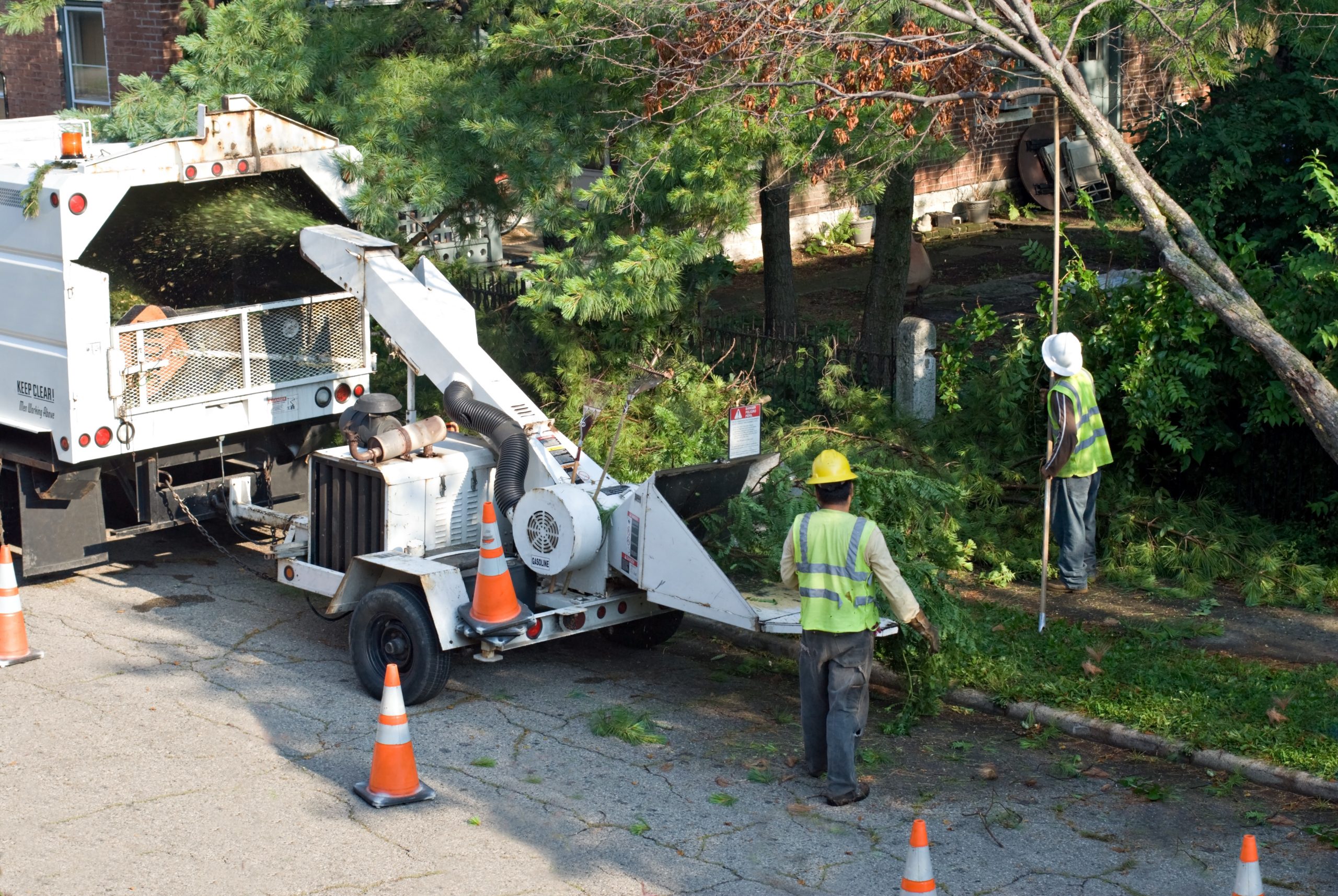
The grinding creates wood chips that you can either have removed or keep as natural mulch for your garden. The time needed depends on your stump’s size and condition, typically taking anywhere from 30 minutes to a couple of hours.
Why Stump Grinding Saves You Time and Money
Stump grinding is fast and affordable, with the small hole that’s left behind easy to fill, and the entire process completed within just a few hours. This makes it the go-to choice for most Suffolk County homeowners who want quick results without breaking the bank.
Here’s the reality about costs: removing the entire stump costs about ten times more than stump grinding. That’s a significant difference for most family budgets. The cost gap becomes even wider when you factor in the time investment and potential property disruption.
Compared to stump removal, stump grinding is quicker and less invasive, making it the more budget-friendly and less disruptive solution for Long Island properties. You won’t deal with large holes, extensive cleanup, or waiting weeks for project completion.
The efficiency goes beyond just the grinding itself. Grinding is less labor-intensive than removing the entire stump and root system, avoiding the mess and disruption of digging and hauling, making it quicker and more practical for most homeowners. You get your yard back faster with minimal hassle.
How Stump Grinding Protects Your Property
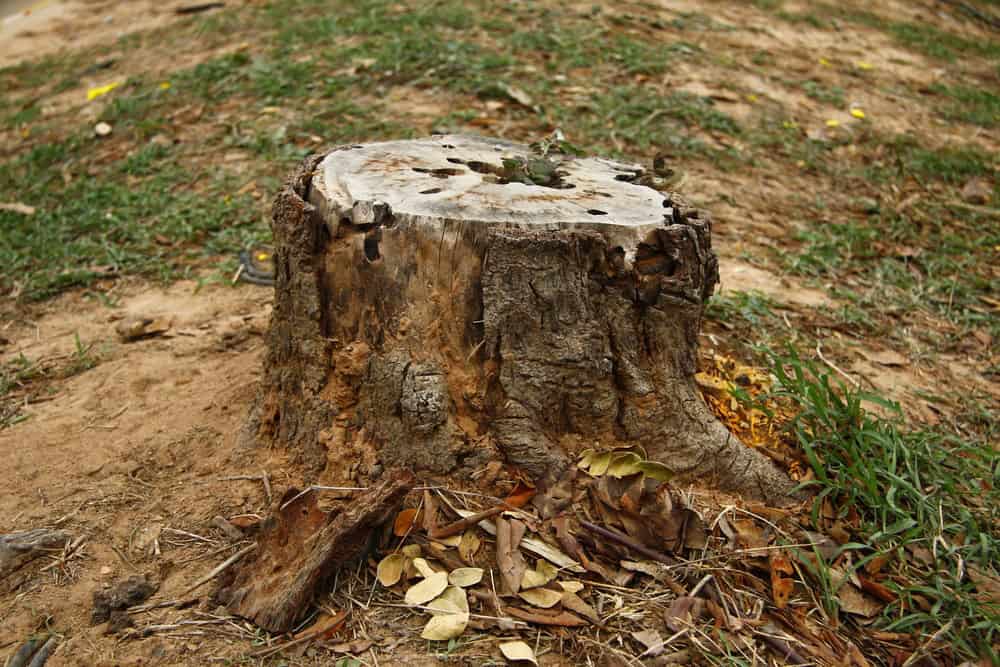
Leaving a stump creates several problems over time, including attracting pests like termites, ants, or beetles, creating tripping hazards, making lawn care more difficult, and potentially causing unwanted regrowth. These aren’t minor inconveniences—they’re real safety and maintenance issues.
Stumps left behind from tree removal create tripping risks and become difficult to mow around, with grinding leveling the surface and removing these hazards, especially important in areas with foot traffic or children. This creates a smoother, safer yard that’s easier to navigate.
The pest problem is particularly serious in Suffolk County. Tree stumps are an open invitation for termites, beetles, and ants, with these pests often starting in stumps but spreading to nearby trees or structures, making grinding a smart step in protecting your larger landscape since prevention is more cost-effective than pest treatment later.
Leaving stumps in your yard isn’t just an eyesore—it’s asking for problems, especially on Long Island where sandy soil and humid summers create perfect conditions for stump decay, which attracts insects and creates safety hazards. Professional grinding eliminates these risks before they become expensive problems.
Complete Stump Removal: When It Makes Sense
Stump removal involves completely removing a tree’s stump and roots, requiring a more complicated and time-consuming process with heavier equipment, such as hydraulic jacks or tractors, making it more costly and leaving a large hole behind.
Complete stump removal gives you the ability to plant a new tree in the same location, since the roots aren’t there taking up space and you’ve likely filled the hole with rich, clean soil that’s ideal for growth. This makes removal the better choice when you have specific replanting plans.
The drawbacks are significant though. Stump removal takes much more time, money, and effort than grinding a stump, and if you need the work done quickly, stump removal may not be your best option.
The Hidden Costs of Full Removal
Removing a stump involves more investment of resources and energy than grinding, taking much more time and being more strenuous and costly since tree roots often represent more than a third of the tree’s total biomass, with even a half-inch root requiring 450 pounds of force to pull from the soil.
Stump removal means extracting not only the stump but also all attached roots, requiring seriously heavy-duty equipment and potentially causing intensive labor and yard damage, making full removal only useful if you’re clearing a lot or don’t mind collateral damage.
The cleanup adds another layer of complexity and cost. While stump grinding only requires filling-in and chip cleanup once the stump is ground below soil surface, total stump removal involves concentrated extra work like filling the large hole and hauling away the massive, cumbersome stump or cleaning up abrasive chemicals.
Here’s something most people don’t consider: roots can be up to 40 feet long and go wherever water is, sometimes wrapping around pipes or under sidewalks or foundations, so when you pull out the stump, you’re never quite sure what the roots will take with them. This uncertainty can lead to expensive repairs and utility damage.
Impact on Future Landscaping Plans
If you plan to redesign your landscape, stump removal allows for a fresh start, while stump grinding may limit your options due to remaining roots. This consideration becomes crucial when planning major landscaping projects or construction work.
Complete stump removal gets everything out of your yard completely, and even if you grind several inches below surface, roots may cause issues with planting or installing yard fixtures down the road, with removal solving this problem and opening the possibility of planting a new tree in the same spot with rich, clean soil optimal for growth.
However, for most homeowners, the limitations of grinding don’t outweigh the benefits. With the stump gone, you have a fresh opportunity to redesign that part of the yard, whether planting a garden bed, laying sod, or adding decorative features, with the cleared space giving you flexibility, particularly helpful in urban areas like Suffolk County where every square foot of usable yard matters.
The reality is that most landscaping projects work perfectly fine with grinding. Most stumps are ground 4-6 inches below ground level, sufficient for grass or sod to grow over, and if you plan to replant a tree in the exact same location, grinding can go deeper—up to 12 inches upon request. This accommodates most future plans without the expense and disruption of full removal.
Making the Right Choice for Your Suffolk County Property
Both stump removal and stump grinding have their advantages, and the choice ultimately depends on your specific needs and circumstances, with stump grinding offering a cost-effective and efficient solution for most property owners in Suffolk County.
Generally speaking, stump grinding is the better option for residential stump removal. The combination of lower cost, faster completion, and minimal property disruption makes it the practical choice for most situations.
Choose grinding when you want quick results, have budget constraints, need to maintain your existing landscape, or simply want to eliminate safety hazards and pest problems. Choose removal only when you have specific replanting plans for the exact same location or are undertaking major construction projects. For expert stump grinding services that understand Suffolk County’s unique conditions, we’re here to help with your consultation and estimate.