Summary:
Your trees don’t take a break just because the seasons change. Neither should your tree care.
In Suffolk County, your trees deal with brutal winters, unpredictable springs, scorching summers, and everything in between. Miss the right maintenance window, and you’re looking at weak branches, pest problems, or worse—a tree crashing through your roof during the next nor’easter.
The good news? Seasonal tree care doesn’t have to be complicated. You just need to know what to do and when to do it. Let’s start with spring, when your trees wake up from winter dormancy and show you exactly what they need.
Spring tree care tips for New York homeowners
Spring hits different in New York. One week you’re shoveling snow, the next you’re watching buds appear on branches. This transition period—typically March through May on Long Island—is your first chance to assess winter damage and set your trees up for healthy growth.
Start by walking your property before leaves fill in. Look for broken branches, cracks in bark, or anything that seems off. Winter storms are rough on Suffolk County trees, and problems you can spot now are much easier to address than waiting until summer when everything’s hidden under foliage.
This is also prime time for pruning. Your trees are still dormant, which means less stress and faster healing when you remove dead or damaged wood.
Post-winter inspection and pruning
Winter doesn’t play nice with trees. Heavy snow loads, ice accumulation, and those freeze-thaw cycles we get in New York can crack branches, split bark, and create weak points that won’t hold up when spring winds pick up.
Your post-winter inspection should focus on the obvious stuff first. Broken branches dangling from the canopy. Cracks where major limbs meet the trunk. Areas where bark has peeled away or looks damaged. These are your immediate safety concerns, especially if they’re hanging over your house, driveway, or where people walk.
But don’t stop there. Look for branches rubbing against each other—they create wounds that invite disease. Check for any limbs growing straight up or straight down, because these have weak attachment points and tend to fail during storms. Pay attention to dead wood, which you can usually identify by lack of buds or brittle, dry appearance.
Late winter through early spring is the best window for pruning most trees in Suffolk County. Your trees are dormant, so they’re not actively growing. That means less stress on the tree and lower risk of pest or disease transmission. The exception? If you’re pruning oak trees, avoid spring and summer entirely. Oaks are vulnerable to oak wilt during warm months, and one infected tree can spread the disease to others in your neighborhood.
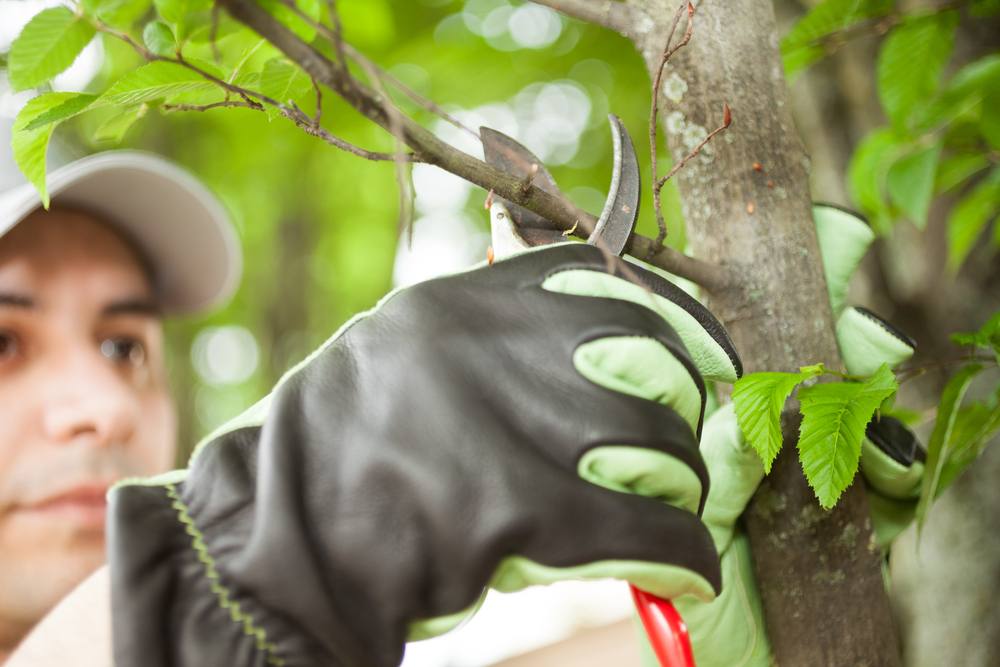
When you prune, make clean cuts just outside the branch collar—that slightly swollen area where the branch meets the trunk or larger limb. Don’t leave stubs, and don’t cut flush against the trunk. The tree needs that collar tissue to heal properly.
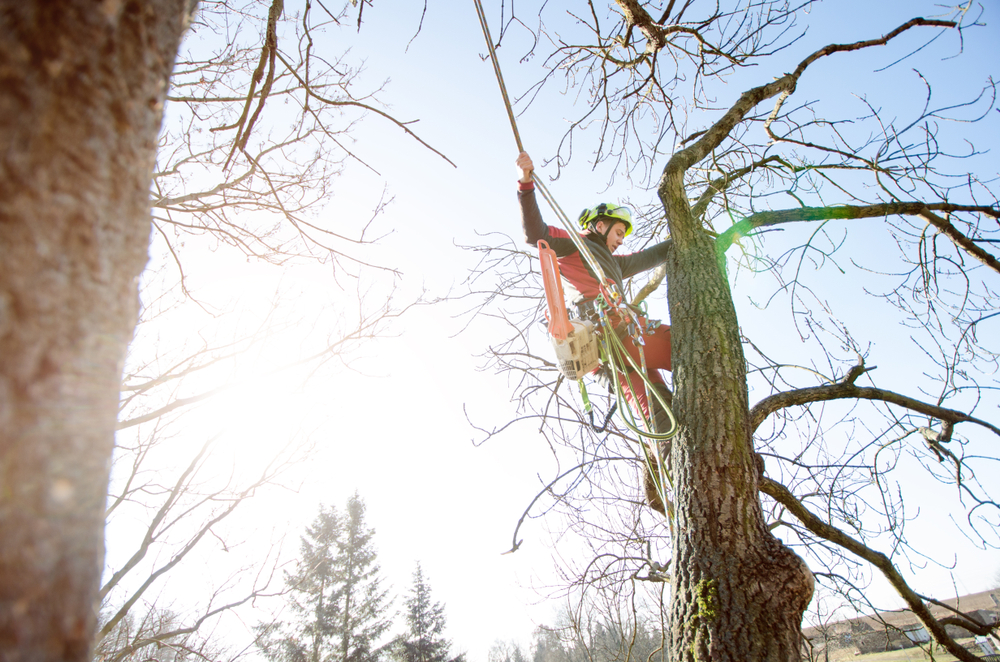
If you’re dealing with large branches, anything high up, or trees near power lines, call in professionals. The risk isn’t worth it, and proper pruning technique matters more than most people realize. One bad cut can compromise a tree’s structure for years.
Mulching and fertilization in spring
Once you’ve handled pruning, turn your attention to what’s happening below ground. Spring is when roots start actively growing again, and they need the right conditions to support all that new growth you’ll see above ground in a few weeks.
Mulch is one of the simplest things you can do with outsized benefits. A 2-3 inch layer of organic mulch—shredded bark, wood chips, or composted leaves—around your tree’s base helps retain moisture, regulates soil temperature, suppresses weeds, and breaks down over time to improve soil structure.
Here’s the critical part: keep mulch at least 3 inches away from the trunk. Piling it against the bark creates moisture problems that lead to rot, pest issues, and disease. You want a donut shape, not a volcano. Spread it out to the drip line if possible, covering the root zone where it actually helps.
Spring is also a reasonable time for fertilization, but be strategic about it. If your trees are growing in healthy soil and look vigorous, they probably don’t need additional fertilizer. Over-fertilizing causes more problems than it solves—excessive growth that’s weak and prone to damage, nutrient imbalances, even root burn.
Young trees and those showing signs of nutrient deficiency—yellowing leaves, stunted growth, poor color—can benefit from a balanced, slow-release fertilizer applied according to package directions. The key word is slow-release. Quick-release fertilizers dump too many nutrients at once, encouraging rapid but weak growth.
If you’re unsure whether your trees need fertilizer, soil testing takes the guesswork out. A simple test tells you exactly what’s lacking, so you’re not just throwing products at the problem and hoping something works.
Spring is also when you’ll start seeing pest activity pick up in Suffolk County. Aphids, borers, and caterpillars become active as temperatures warm. Check the undersides of leaves for eggs, look for sticky residue or webs, and watch for any unusual damage patterns. Catching infestations early makes them much easier to manage before they spread or cause serious harm.
Summer tree maintenance in Suffolk County
Summer in Suffolk County means heat, humidity, and the occasional drought that stresses even established trees. Your maintenance focus shifts from structural work to keeping trees hydrated, monitoring for problems, and managing pests that thrive in warm weather.
With full canopies, it’s easier to spot issues that weren’t obvious in spring. Discolored leaves, wilting, unusual growth patterns—these are your trees telling you something’s wrong. The earlier you catch problems, the easier they are to address.
Watering becomes critical during June through August, especially for younger trees that haven’t developed deep root systems yet. Established trees can usually handle dry spells, but newly planted trees need consistent moisture to survive their first few Long Island summers.
Watering and monitoring tree health
Trees need water, but not the way most people think. Frequent shallow watering actually encourages weak, surface-level root growth that makes trees more vulnerable to drought and wind damage. What you want is deep watering that soaks down to where the main roots are growing.
For newly planted trees, aim for about 20 gallons per week during hot, dry periods. That sounds like a lot, but it’s what it takes to keep the root ball moist while the tree establishes. Established trees need less frequent watering, but when you do water, make it count. Deep soaking once a week beats daily sprinkles every time.
Check soil moisture by sticking your finger a few inches into the ground near the tree. If it’s dry below the surface, it’s time to water. If it’s still moist, hold off. The goal is consistently moist soil, not saturated or bone-dry.
Summer is also when trees are fully leafed out, making it easier to spot health issues. Look for leaves that are yellowing, browning at the edges, wilting, or dropping prematurely. Check for unusual spots, holes, or discoloration that might indicate disease or pest damage.
Inspect the trunk and major branches for cracks, oozing sap, or areas where bark looks damaged. Look for mushrooms or fungal growth around the base, which can signal root rot or internal decay. Watch for any changes in the tree’s overall shape or structure—leaning that wasn’t there before, branches dying back, or thinning canopy.
Keep your mulch layer maintained throughout summer. It breaks down over time, so you may need to add more to maintain that 2-3 inch depth. Just remember to keep it away from the trunk.
If you spot problems you can’t identify or aren’t sure how to handle, that’s when you bring in someone who knows what they’re looking at. Some issues are obvious, but others require experience to diagnose correctly. The difference between treating the right problem and guessing can determine whether your tree recovers or continues declining.
Managing summer pests and diseases
Warm weather brings out pests that can seriously damage trees if left unchecked. In Suffolk County, you’re dealing with aphids, various caterpillars, borers, and depending on your location, invasive species like spotted lanternfly that have become pressing concerns across New York in recent years.
Aphids are small but destructive, sucking sap from leaves and producing sticky honeydew that attracts other pests and encourages mold growth. You’ll often find them clustered on new growth or the undersides of leaves. Small infestations can be managed with a strong spray of water or insecticidal soap. Larger problems may need professional treatment.
Borers are more serious. These insects tunnel into bark and wood, creating galleries that disrupt nutrient and water transport. Signs include small holes in bark, sawdust-like material around the trunk, and dieback in branches. Borers often target stressed trees, which is another reason keeping your trees healthy through proper watering and care matters so much.
Caterpillars can defoliate trees quickly, especially during outbreak years. Some, like eastern tent caterpillars, are easy to spot because they build visible silk nests in branch crotches. Others are less obvious until you notice leaves disappearing. Early detection and removal of nests can prevent major damage.
Fungal diseases also thrive in summer humidity on Long Island. Powdery mildew, leaf spot, and anthracnose are common in New York. Most fungal issues are more cosmetic than fatal, but severe or repeated infections can weaken trees over time. Good air circulation through proper pruning helps prevent fungal problems, as does avoiding overhead watering that keeps foliage wet.
Not every pest or disease requires treatment. Many trees can tolerate some damage without long-term harm. The question is whether the problem is causing significant stress, spreading rapidly, or likely to cause permanent damage. For minor issues, monitoring may be all you need. For serious infestations or diseases, targeted treatment prevents bigger problems down the road.
The key is knowing what you’re dealing with. Misidentifying a problem leads to wrong treatments that don’t work and waste money. When you’re not sure what’s causing the damage or how to address it, get a proper diagnosis before you start applying products or making changes.
Fall tree maintenance checklist
Fall in New York—September through November—is when you prepare trees for winter. The work you do now determines how well your trees handle months of cold, snow, ice, and wind. Skip fall maintenance, and you’re rolling the dice on storm damage and winter stress.
This is your window to strengthen trees before dormancy, address structural issues, and make sure root systems are in good shape for the harsh months ahead. It’s also one of the best times to plant new trees in Suffolk County, since they can establish roots before winter without dealing with summer heat stress.